Family Story
Ro Made the Wine
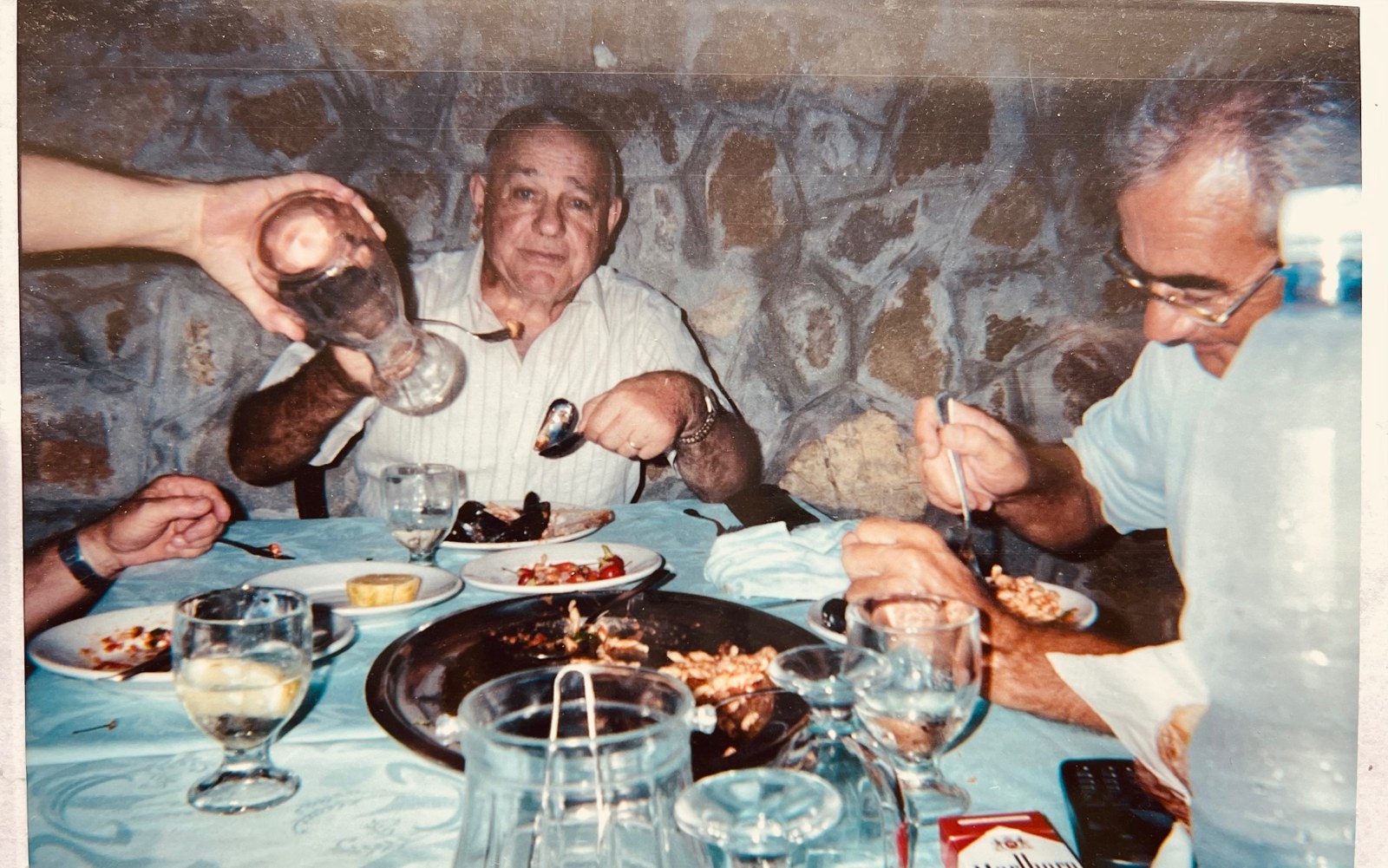
There was wine on the table at dinner, every day, and my grandfather made it himself.
September 12, 2026 · Erika, RO & TI
There was wine on the table at dinner. Not for occasions, not for guests — at dinner, the way bread and salt were on the table. Ro made it himself.
That single fact says a lot about how the household ran. Wine was not something you bought at the end of the week. It was something you produced once a year, in quantity, and then drew on for the next twelve months. It belonged to the same category as the tomatoes put up as passata and the meat that was cured and hung: work done in season, in volume, so that the table was never short.
Home winemaking of this kind was ordinary across southern Italy and carried straight into Italian-American households. Grapes arrived in crates, they were crushed and pressed, the must was left to ferment, and the result went into demijohns and bottles in a cool part of the house. It was not precious. It was not scored or described. It was the wine, and there was more of it downstairs.
The children drank it too, cut with water. That surprises people now, and it is worth being plain about why it happened rather than romanticising it: wine at the table was a normal part of a meal in that culture, and giving children a little of it, well diluted, was the usual practice. Times, laws and advice have all changed since. This is a description of how one family ate, not a recommendation.
What I keep coming back to is what the wine did to the shape of dinner. If there is wine on the table, dinner is not something you finish. Everyone stays seated. The plates get cleared and the glasses do not. Antipasto, then the main course with bread, then a salad or a piece of fruit — and the whole time the bottle is in the middle of the table, going down slowly. That is the pace the food was built for.
Ro died in 2012. The winemaking went with him. It is the kind of knowledge that lives in someone’s hands and their sense of timing rather than in a written procedure, and nobody wrote his down. That is the honest situation: I can tell you that he made it, and that it was on the table every night. I cannot tell you his method, and I am not going to invent one.
What we can do here is cook the food it was drunk with, and keep the thing the wine was really for — nobody leaving the table early.
One related preparation does survive in the record, and it is not wine. Vino cotto — cooked grape must, reduced for hours into a dark syrup — was made in the same season, from the same fruit, and used as a sweetener. There is a recipe for it here. It is not a substitute for what Ro made, but it comes out of the same crate of grapes.