Where it begins
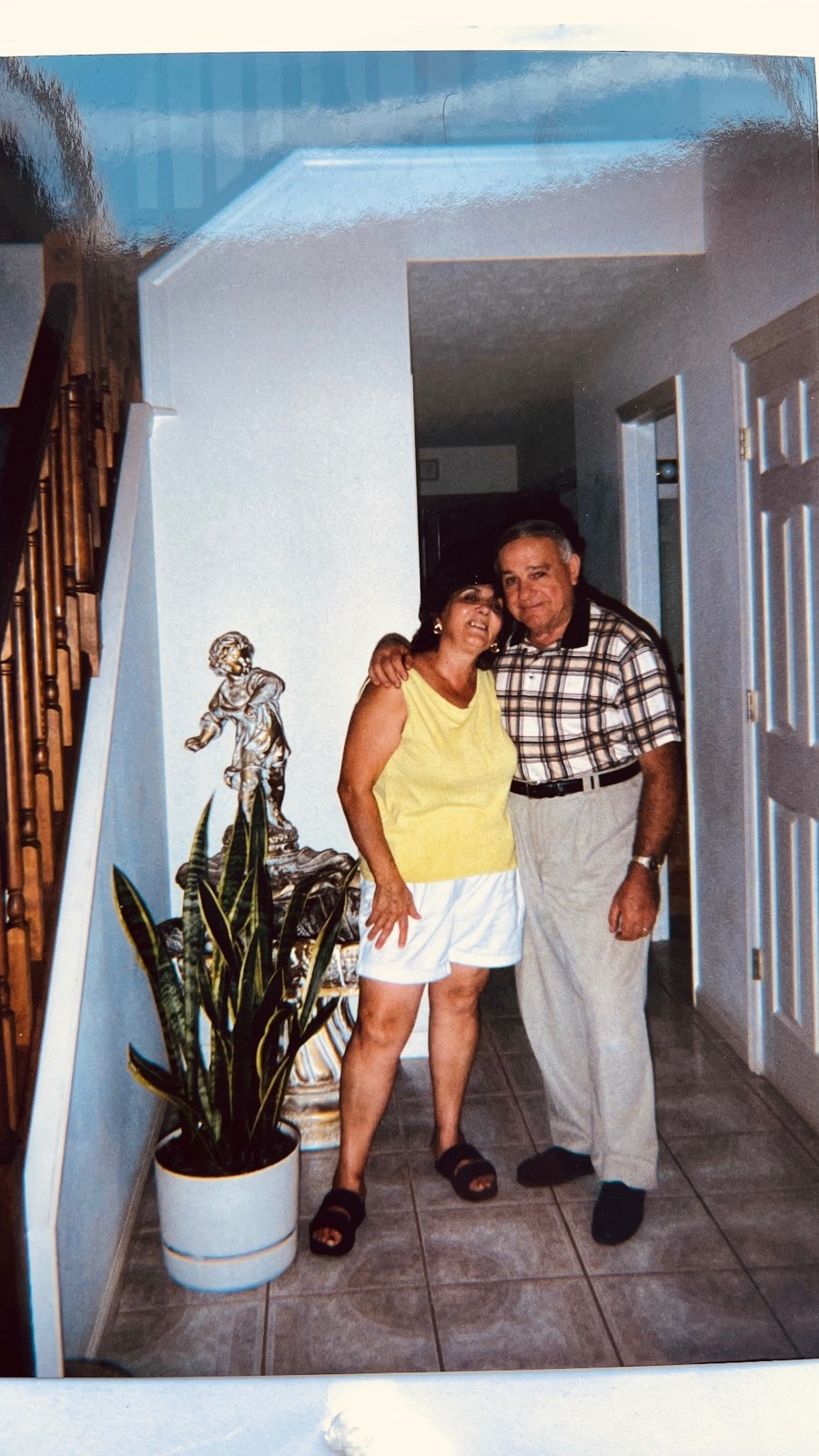
It began with Romualdo and Titina Magnelli.
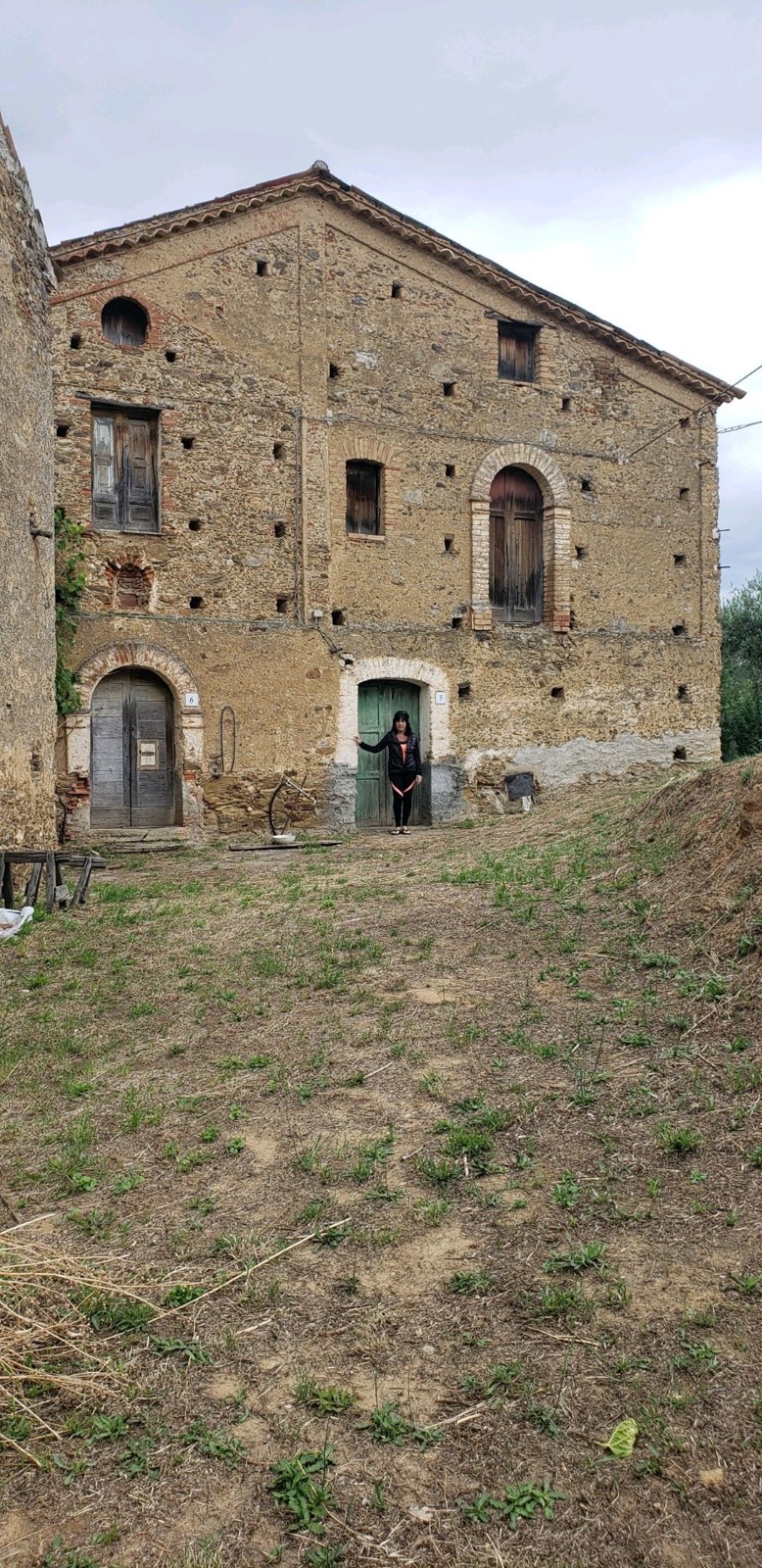
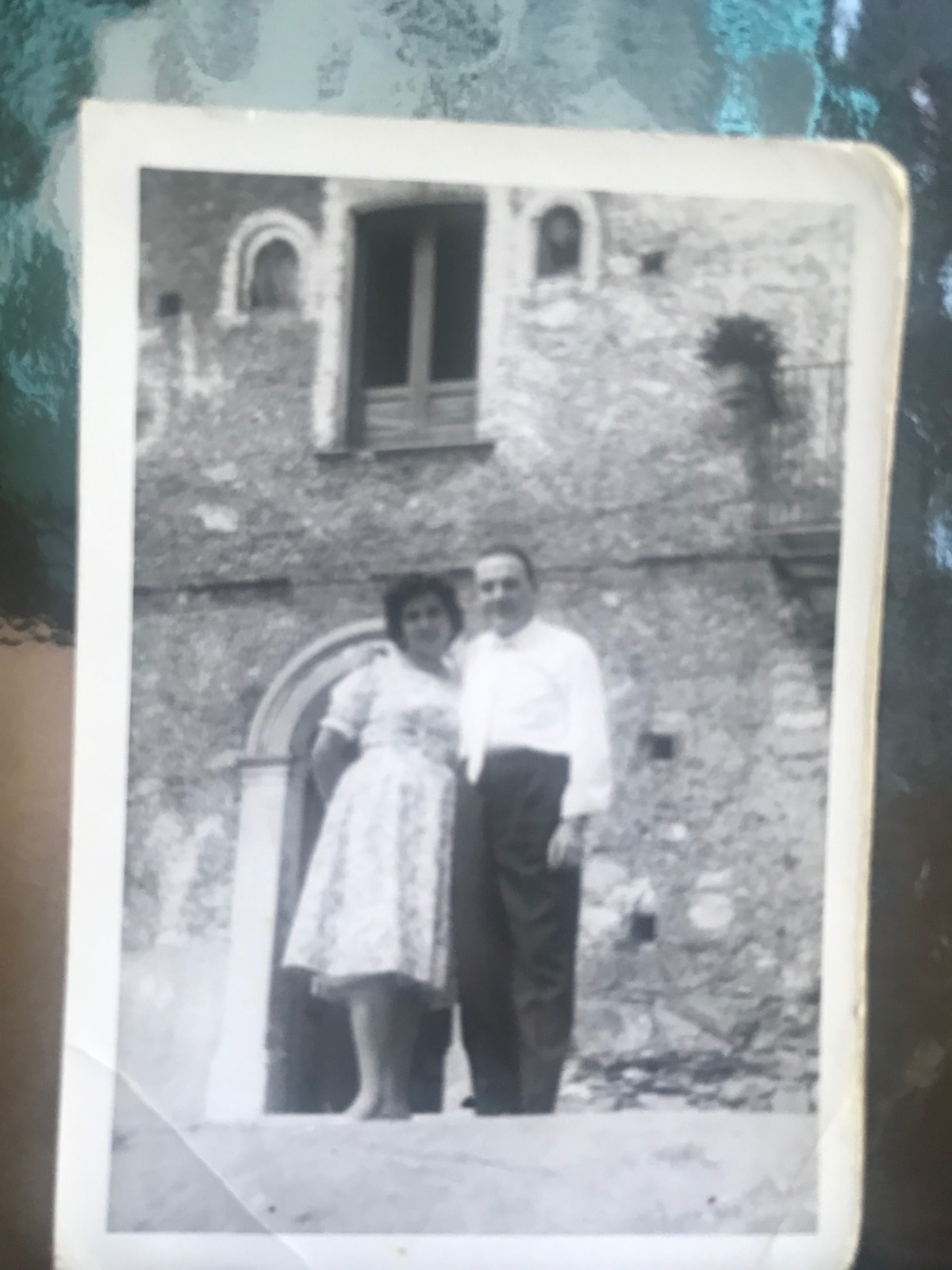
Ro and Ti were born and raised in Castiglione Cosentino, Calabria, a hill town in southern Italy. They married there before eventually leaving Italy and building a life in America.
Ro was Romualdo.
Ti was Titina.
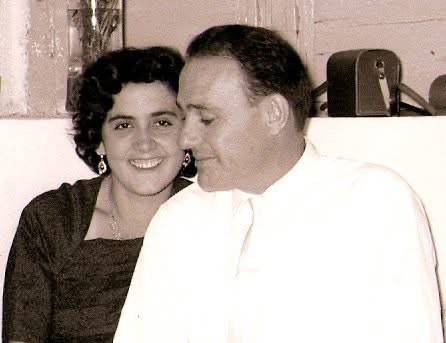
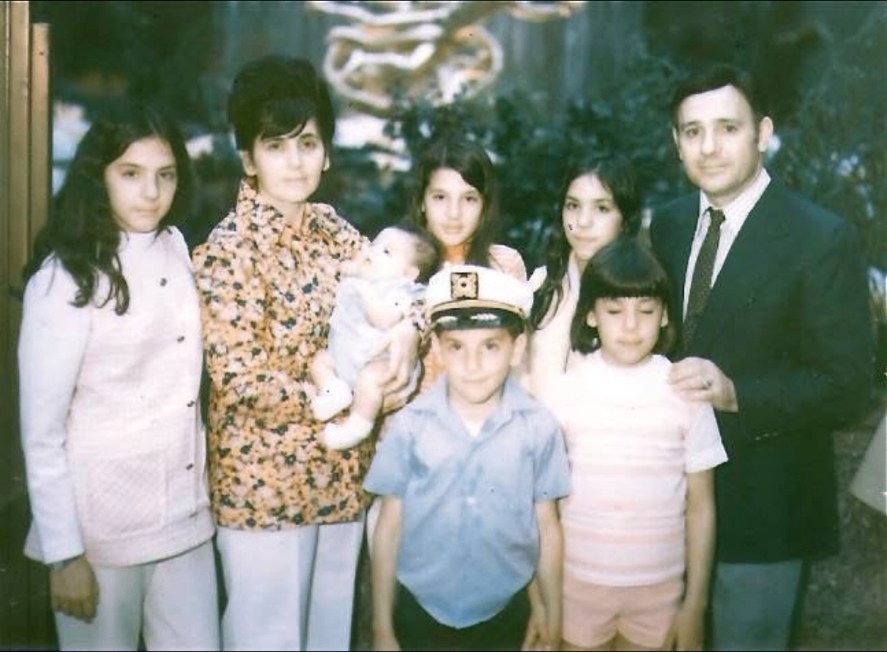
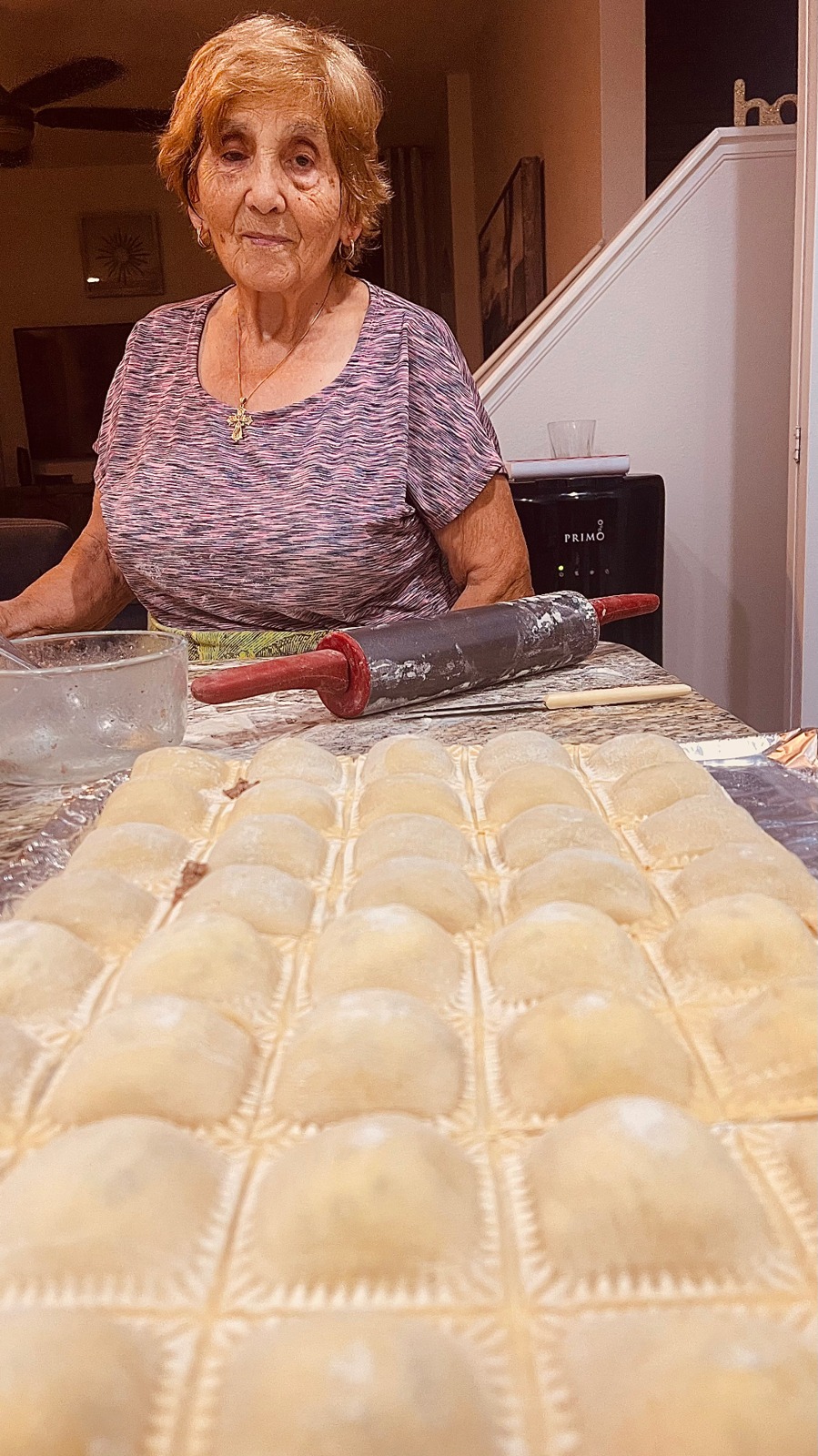
They raised six children, but the ways of home came with them. Ti was a seamstress, a gardener, and the cook of the family. She had a remarkable green thumb and cooked largely from memory rather than written recipes. The knowledge lived in repetition: watching, tasting, adjusting, and knowing what something should look or feel like.
Ro built a professional life as an architectural engineer. At home, he carried on a different kind of practical knowledge, curing meats and making wine with the patience and judgment those traditions required.
The place
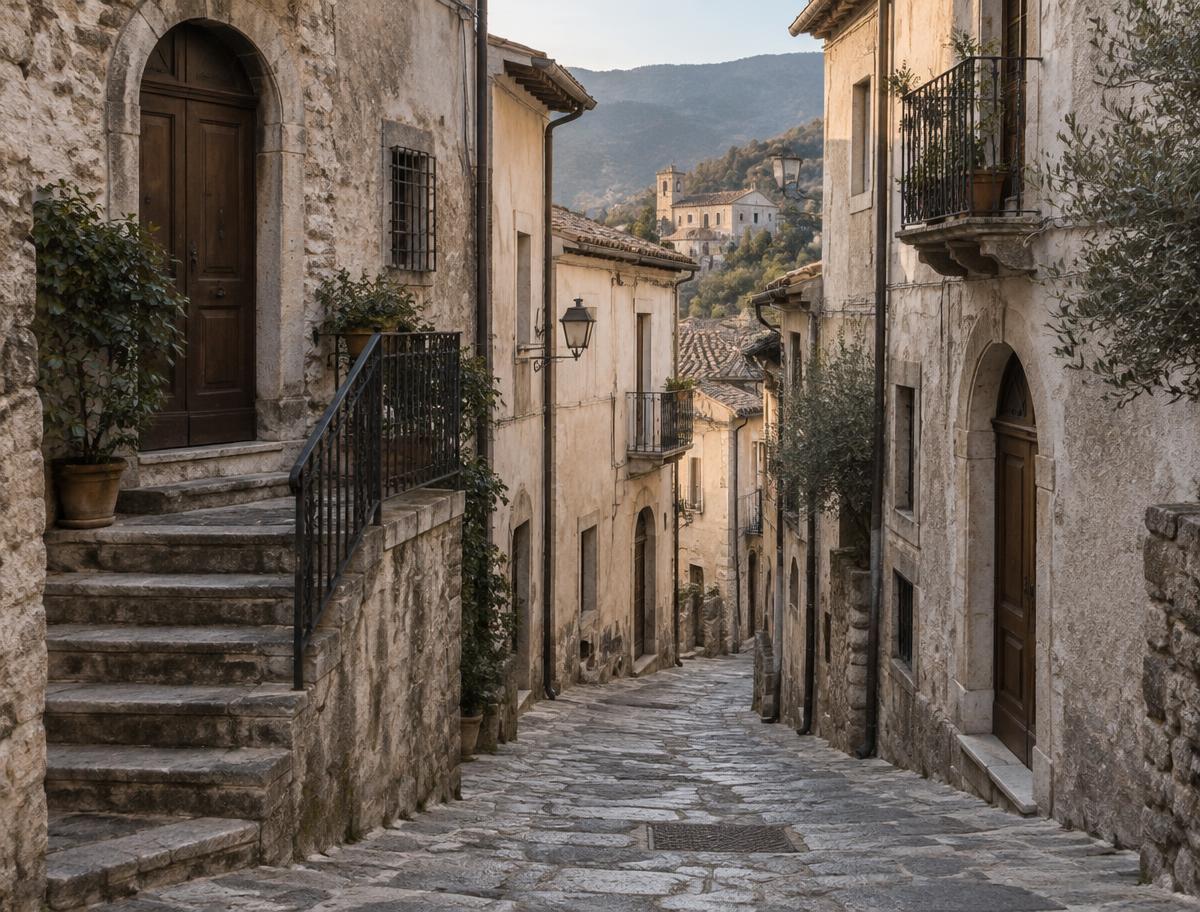
Castiglione Cosentino.
The family’s roots lead to Castiglione Cosentino, a village in the Province of Cosenza, in Calabria—the toe of the Italian boot. It sits in the hills north of the city of Cosenza, where the Crati valley meets the lower slopes of the Sila plateau.
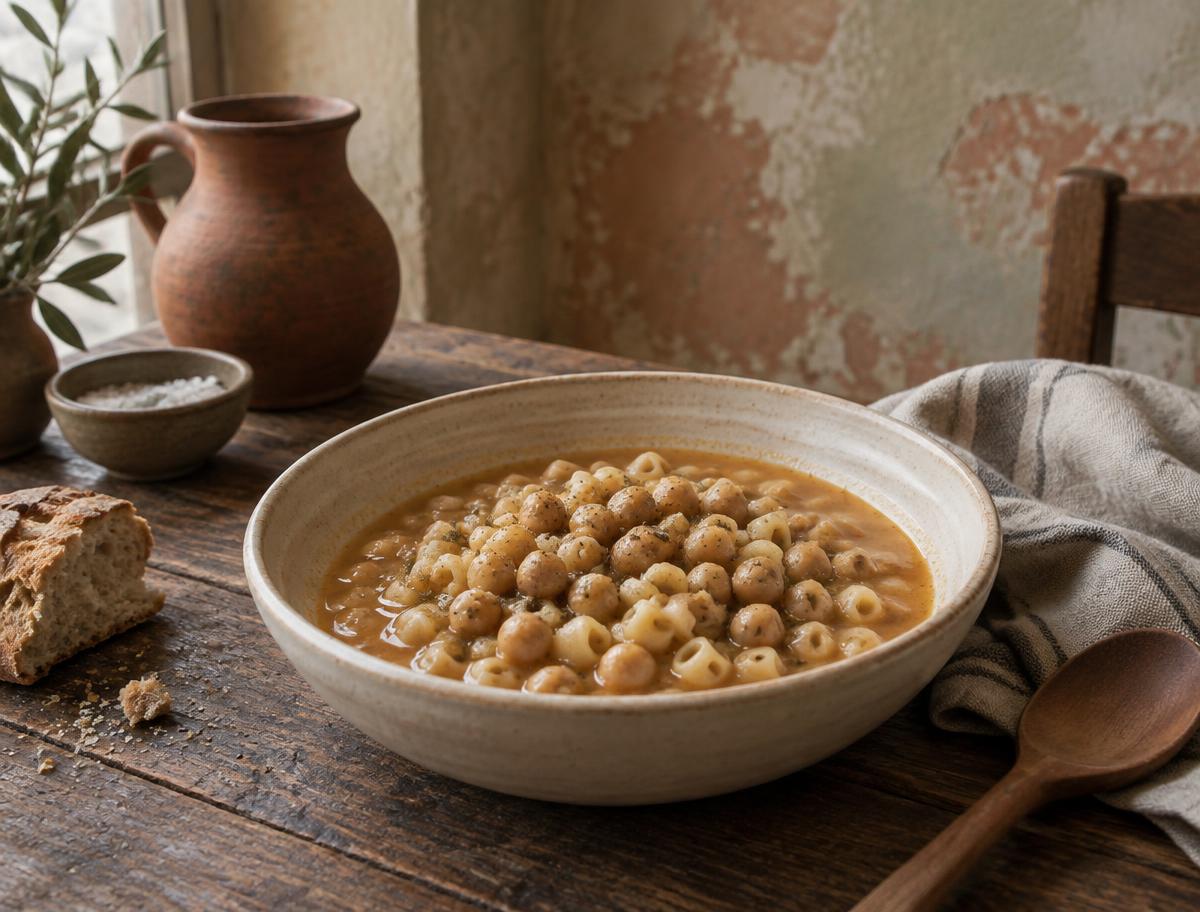
This is a landscape of olive groves, chestnut woods, wheat, peppers, and potatoes; of bread baked to last, preserved fish carried inland, and cooking shaped by season and necessity rather than abundance. Many of the recipes on this site—patate ’mpacchiuse, licurdia, pasta ca muddica—belong to this corner of Calabria and the villages around Cosenza.
How they lived
Old-world habits, a new life.
Together, their lives held both old-world habits and the demands of building something new in America.
Food was made by hand. Ingredients were preserved. Wine was made for the table. Skills were practiced until they became second nature, then passed down simply because the next generation grew up around them.
In 2003, Ti and one of her daughters opened Librandi’s, carrying family recipes into another generation of work, food, and family.
Ro died in 2012, but much of what surrounded their life together remained: the recipes, the techniques, the stories, and the habits their family had absorbed over decades.
That is where RO & TI begins. Not with an idea of what an Italian family should have been, but with two people who lived it.
The family album
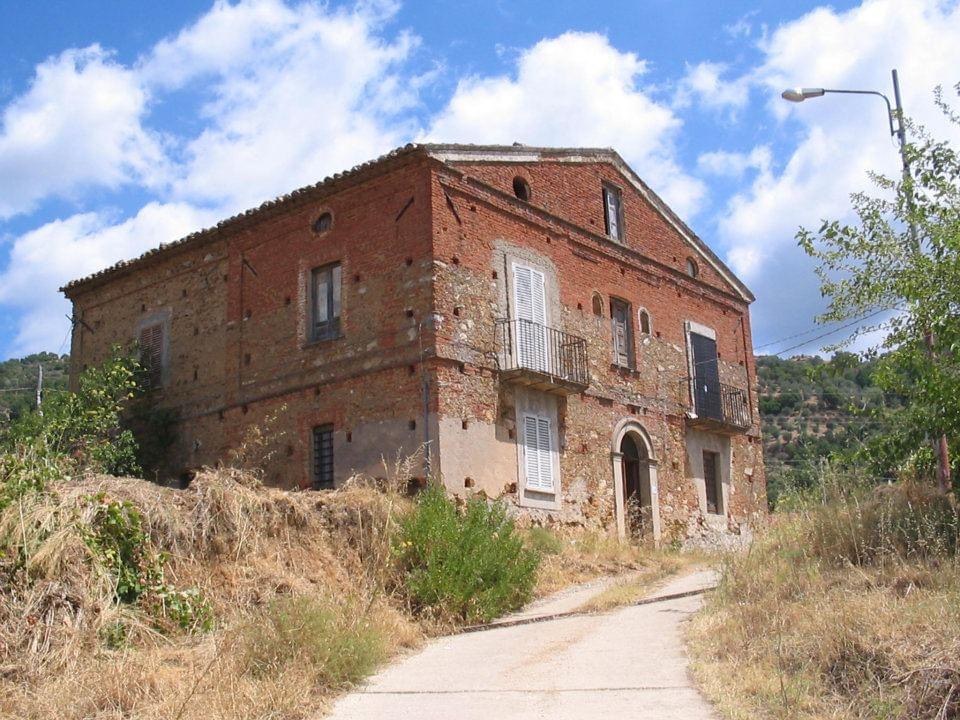
Real photographs, kept.
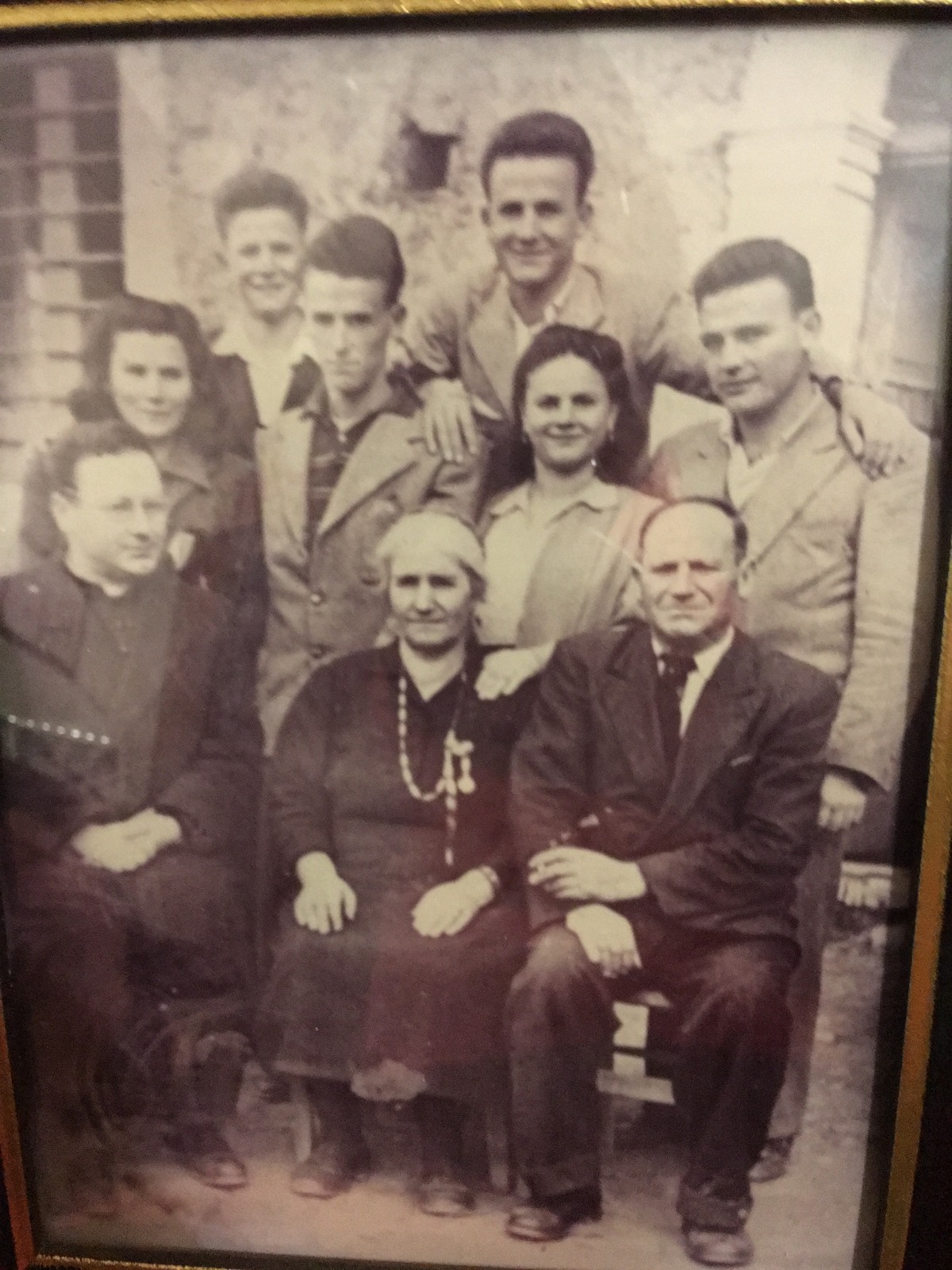
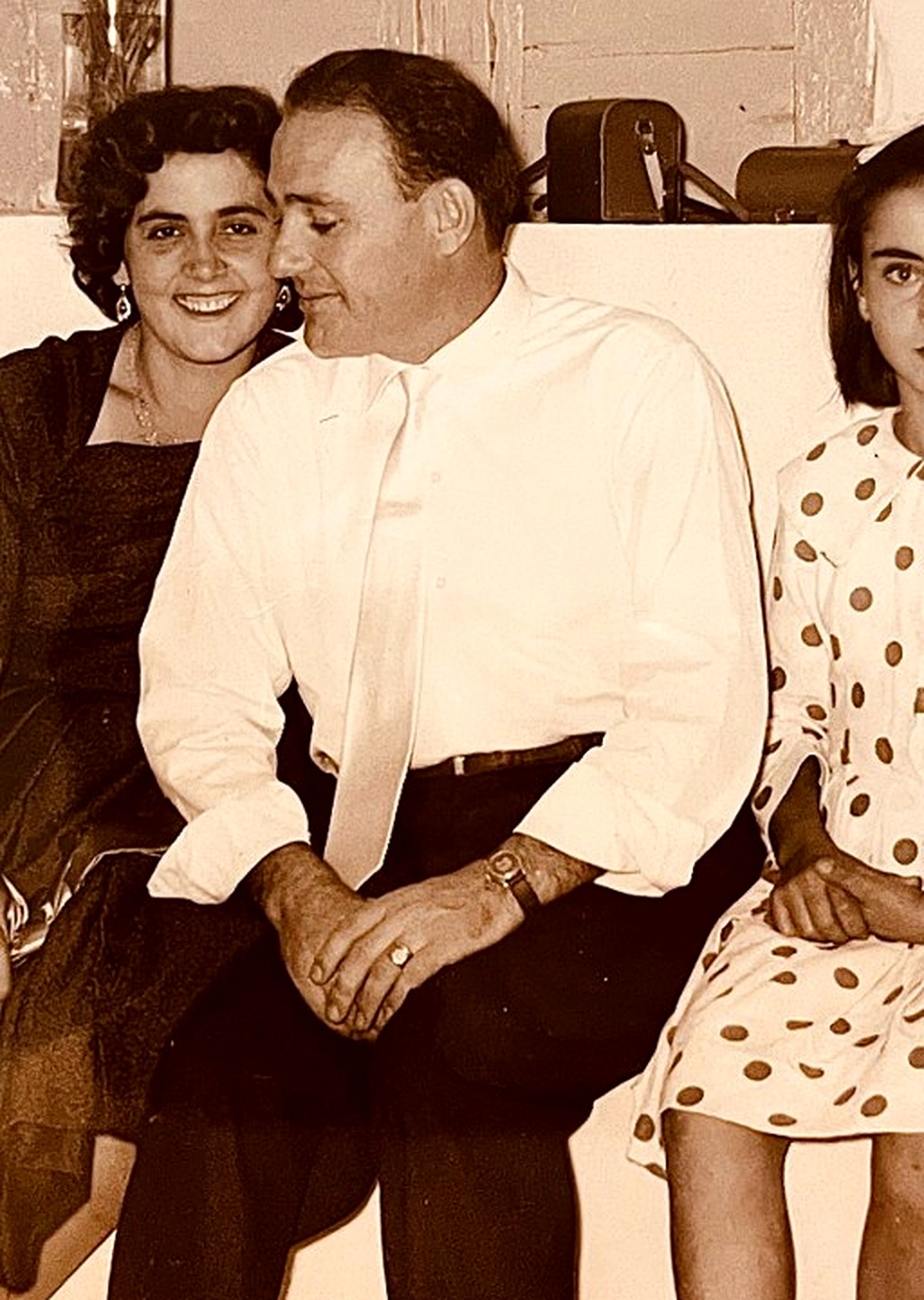
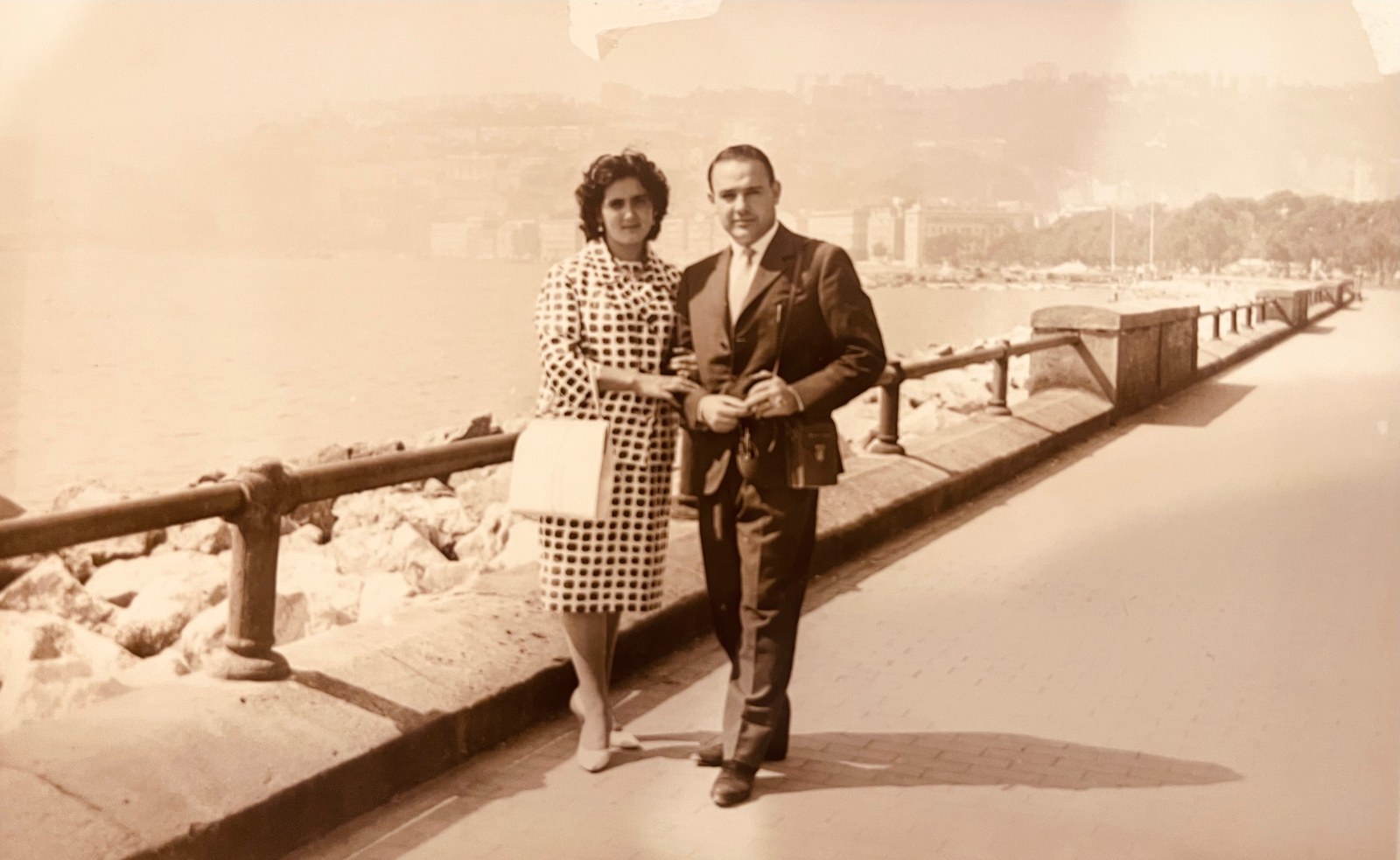
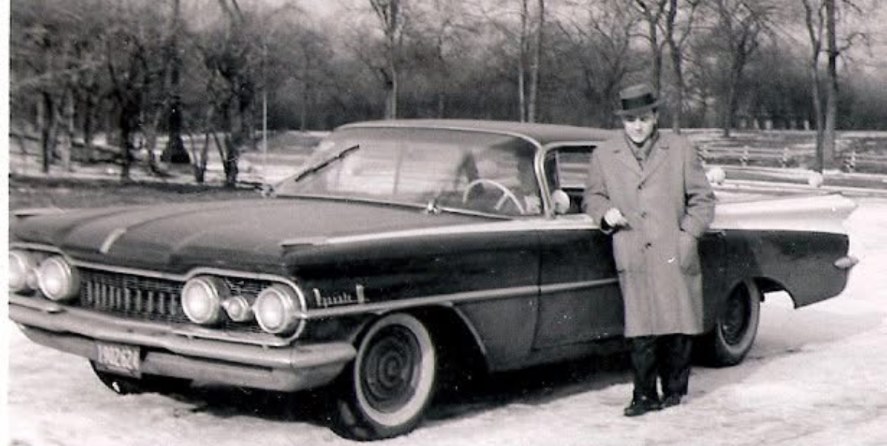
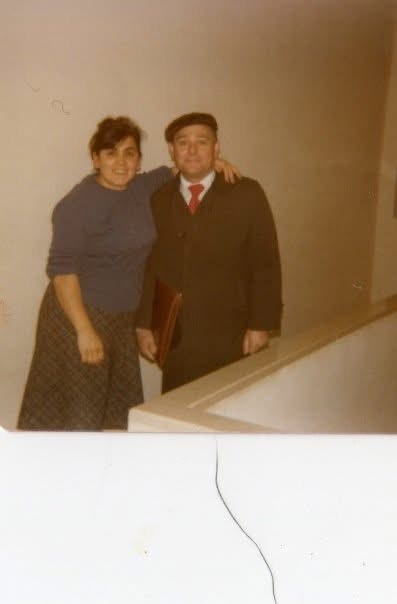
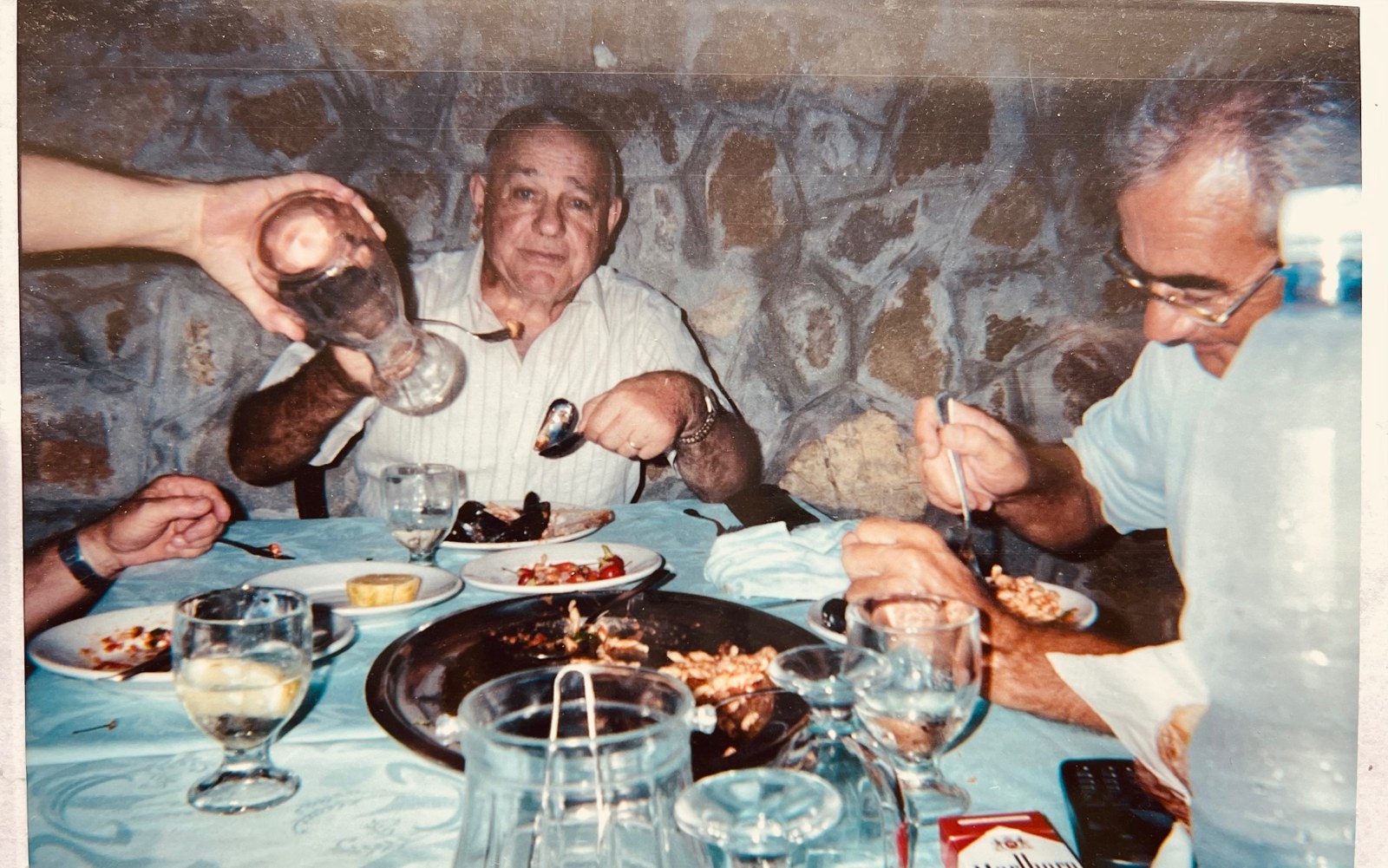
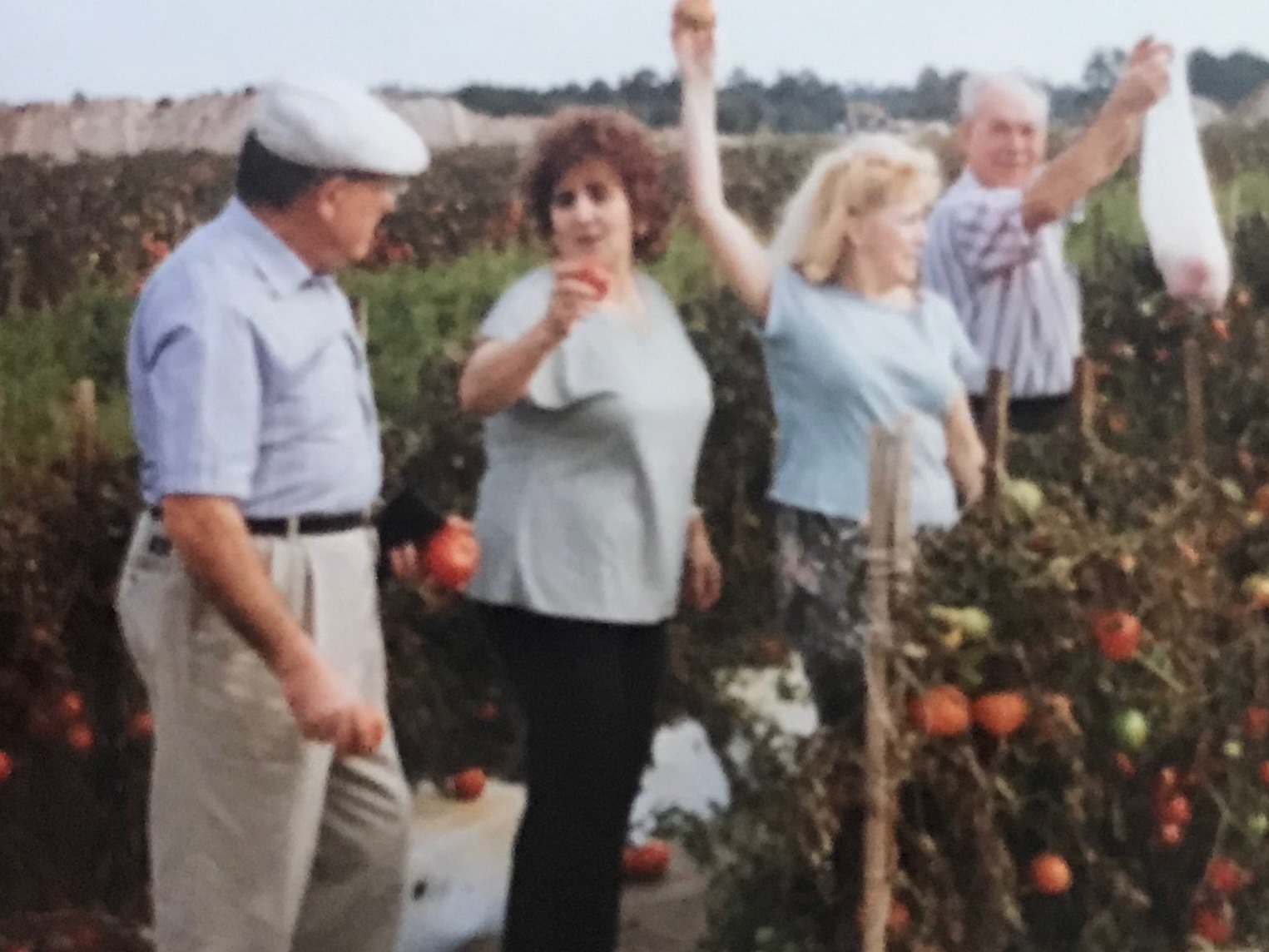
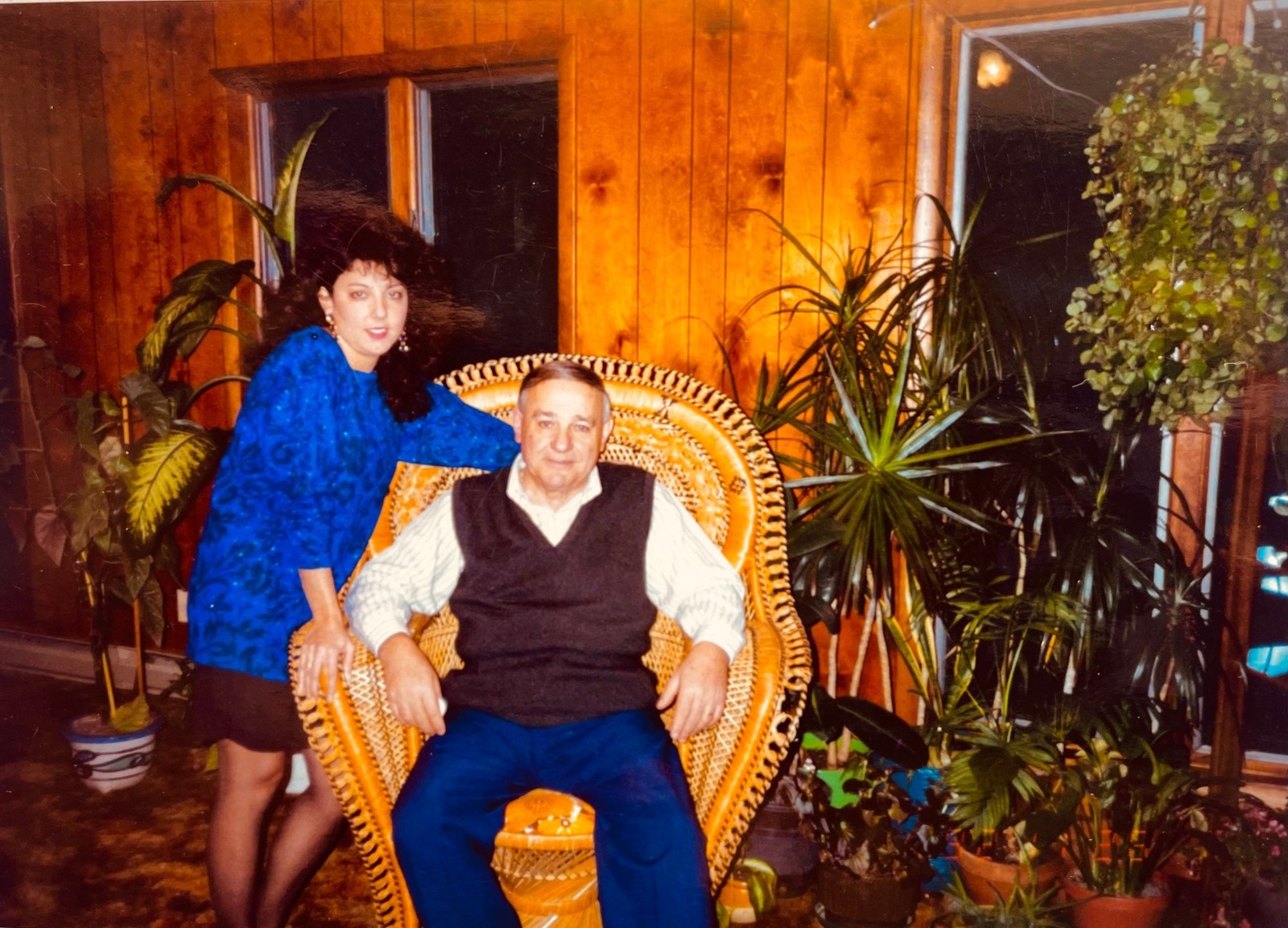
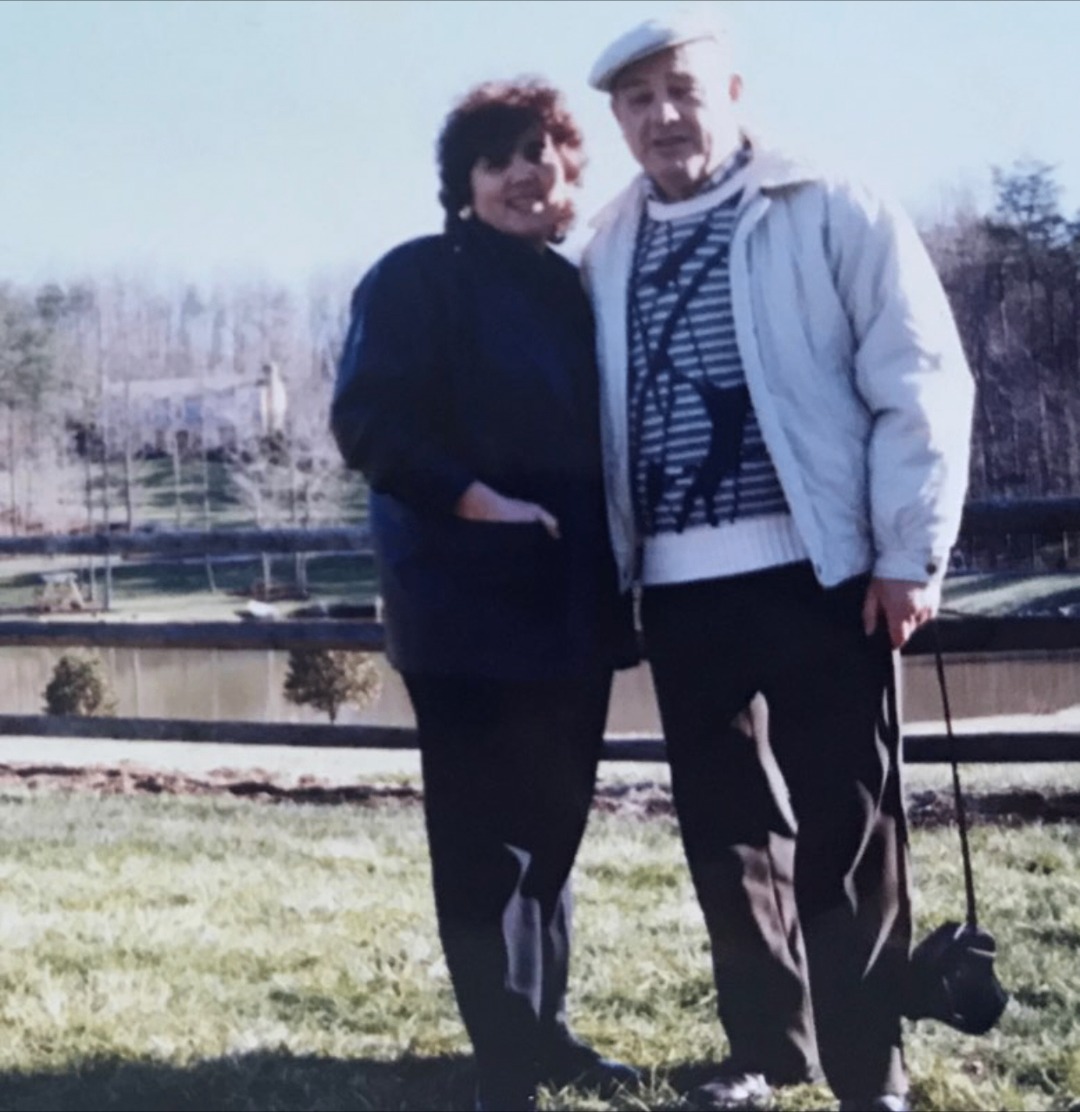
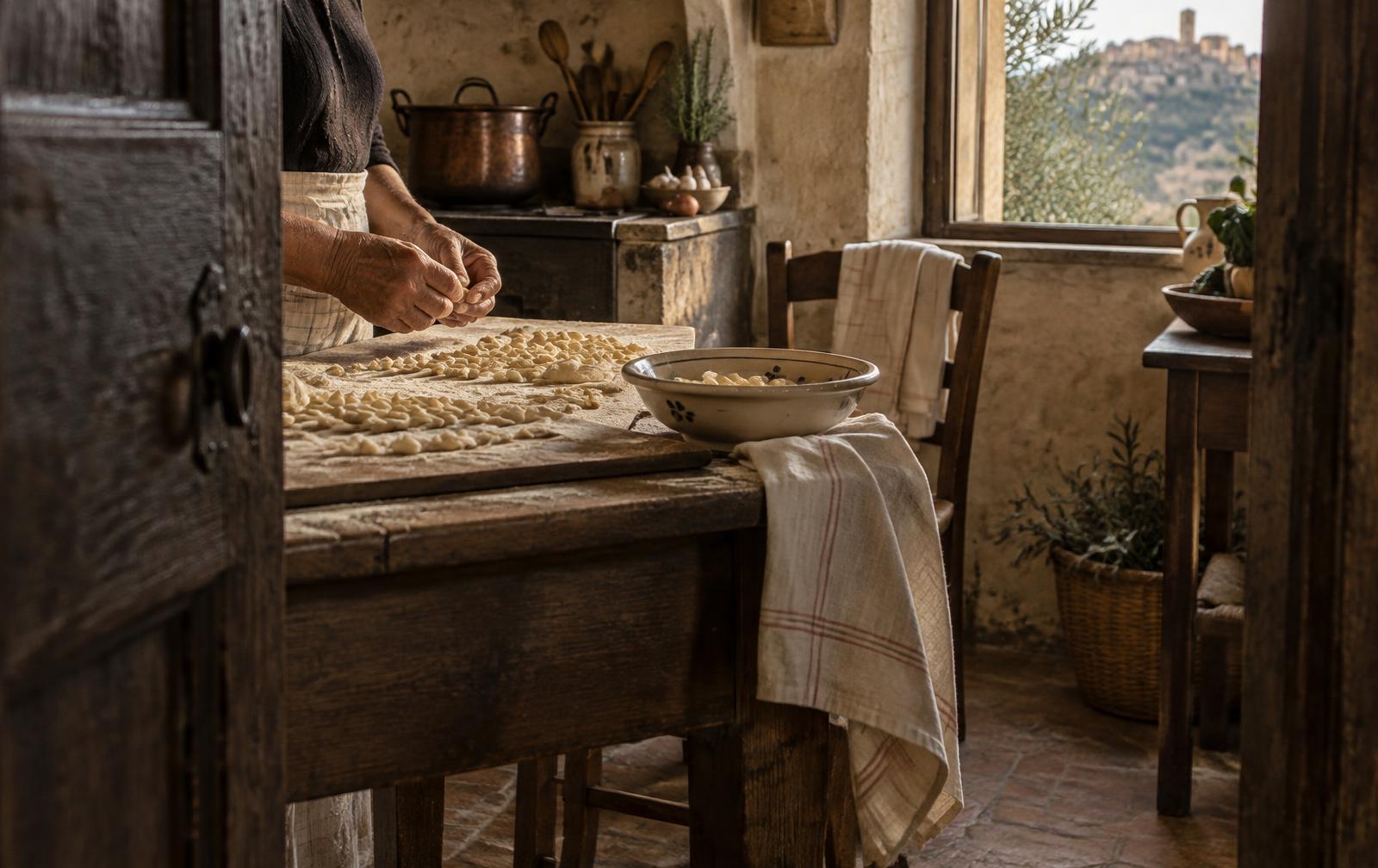
These are the family's own photographs — the people and places behind the recipes.

Another generation
The table continues.
Today, their granddaughter is gathering those pieces around a table of her own: family recipes, dishes rooted in Calabria and Southern Italy, the stories behind them, and the traditions that have remained useful enough to keep.
Some came directly through Ro and Ti. Others begin with the place they came from and are researched from there. The distinction matters.
RO & TI is a way to preserve what belongs to this family while continuing to learn about the food, customs, and everyday life that surrounded it.
You do not have to belong to this family to pull up a chair.
Venite a tavola.
Come to the Kitchen →Casa & Arte
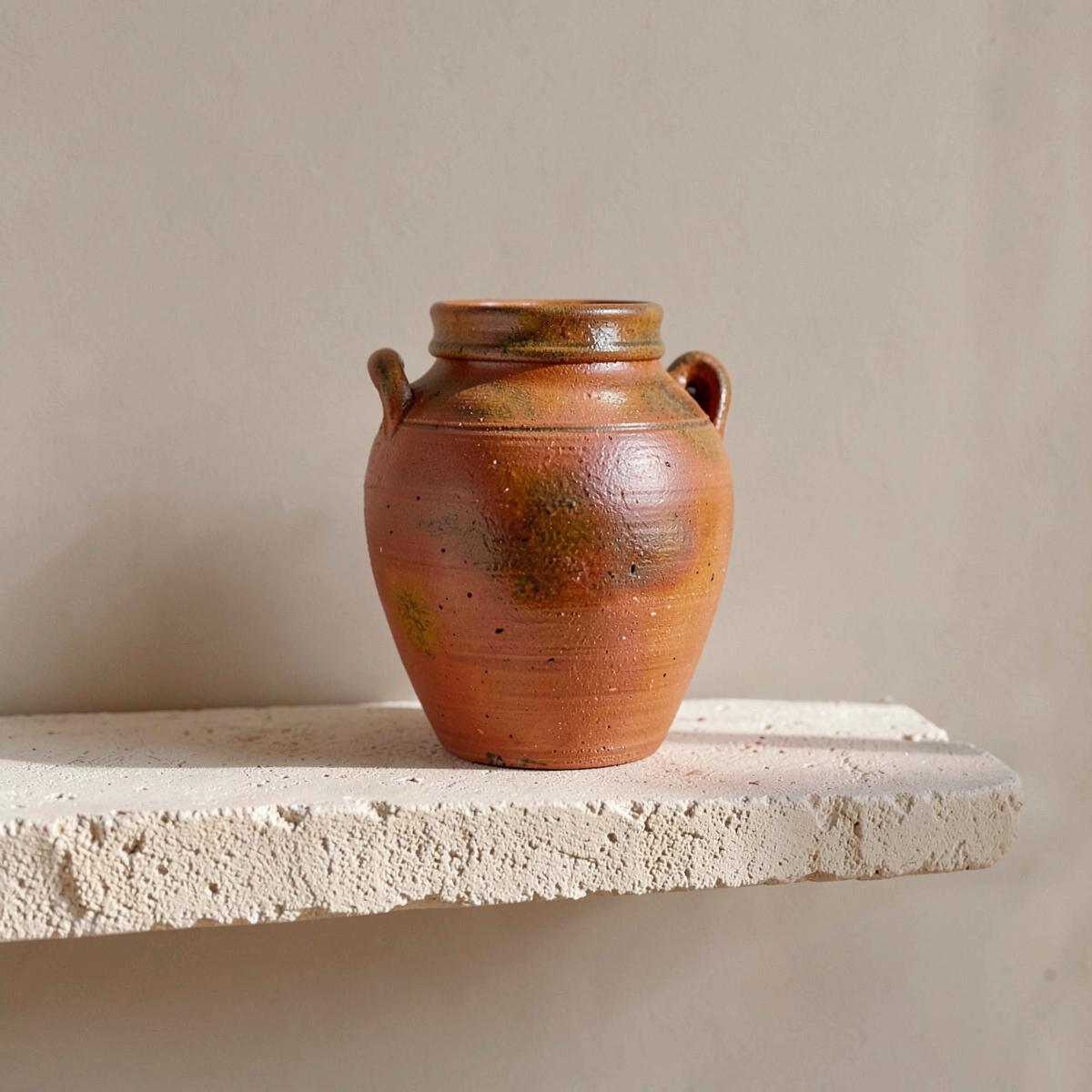
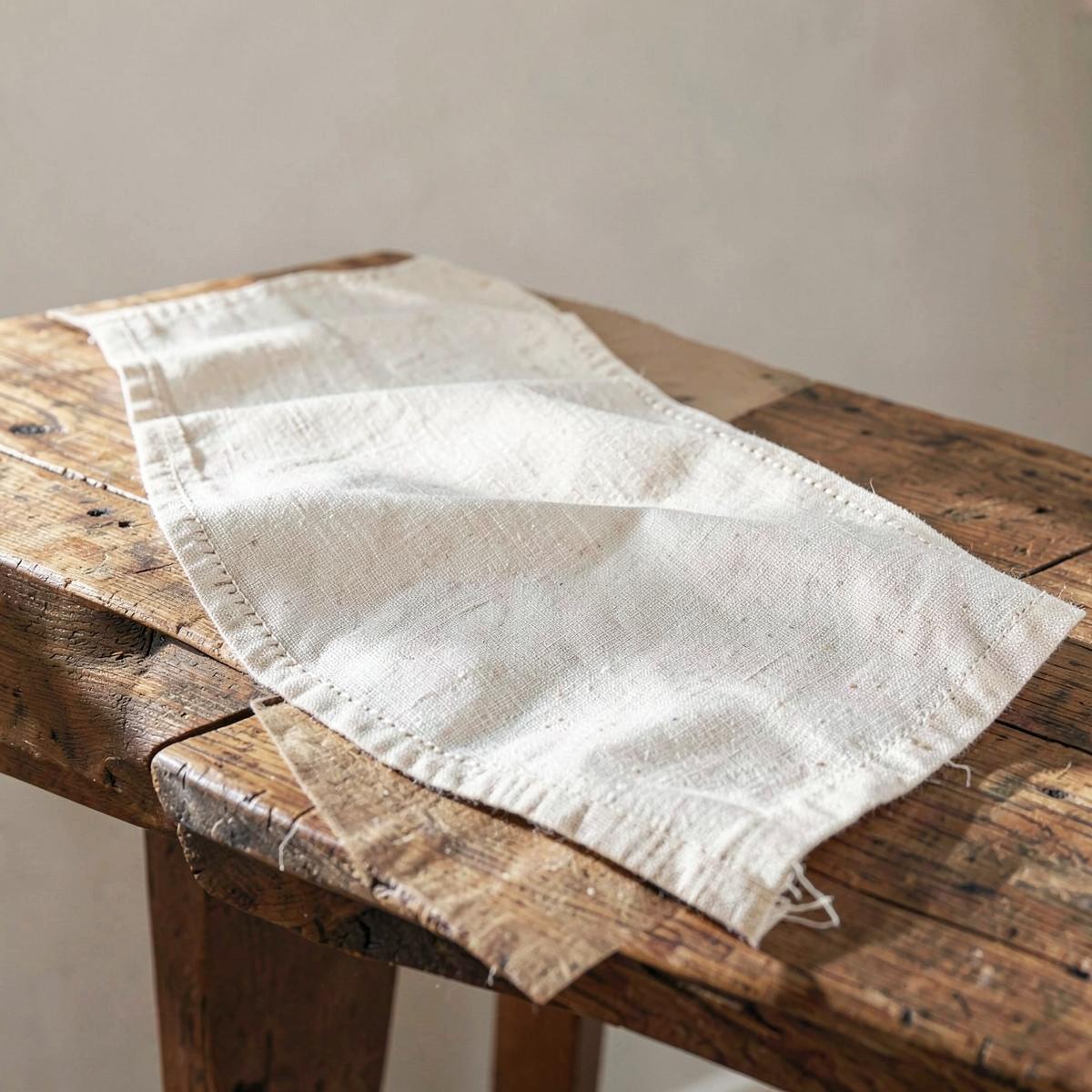
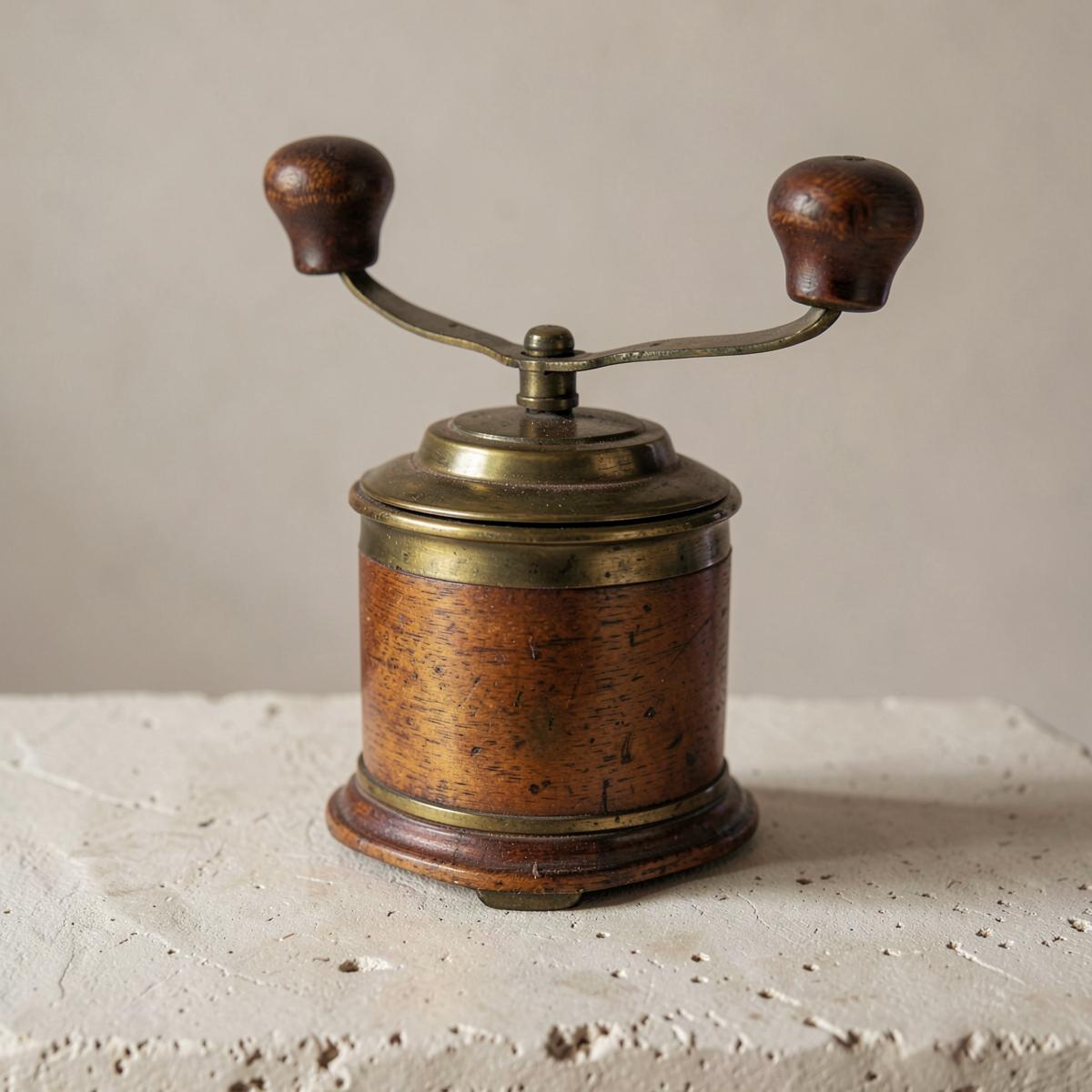
Objects for the rooms around the table.
Casa & Arte brings together useful, lasting pieces inspired by the Italian home, kitchen, and table. They are not family heirlooms, and not reproductions of things Ro and Ti owned. They are chosen because they belong naturally in the kind of home this story came from — things for cooking, serving, gathering, keeping, and using again.
The collection will grow carefully, with an emphasis on good materials, usefulness, and pieces that feel at home in everyday life.
See all of Casa & Arte →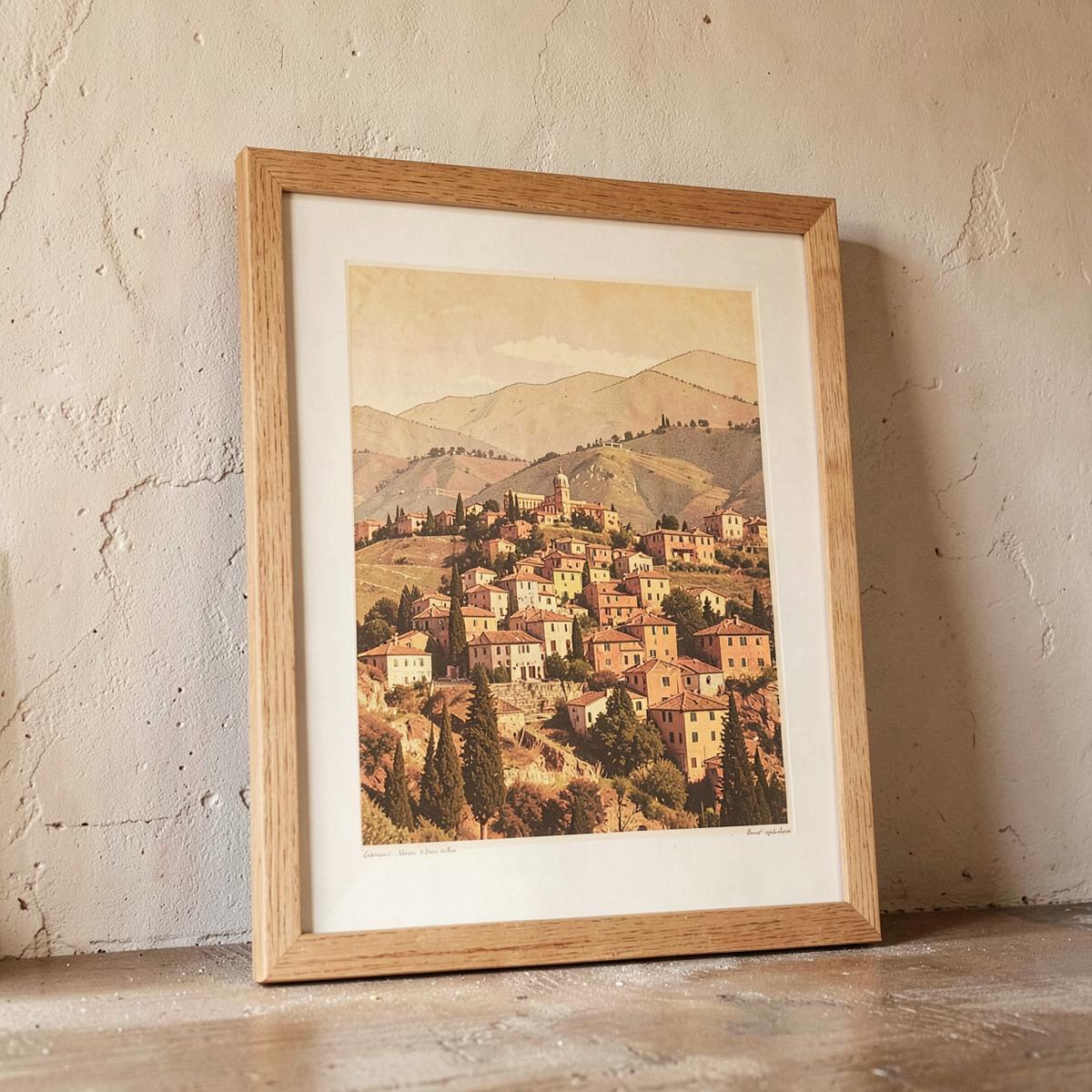
A note on the record
This story is built from family records, photographs, documents, and the memories that have been passed down. Where something belongs specifically to Ro and Ti, we say so. Where a recipe, custom, or piece of history belongs more broadly to Calabria or Southern Italy, we say that too.
There is still more to uncover, and this story will grow as the record does. Nothing needs to be invented to make it worth telling.