Family Story
Why Cucina Povera
Cucina povera is often translated as “poor cooking,” but that can give the wrong impression.
September 11, 2026 · Erika, Casa Magnelli
Cucina povera is often translated as “poor cooking,” but that can give the wrong impression. For Casa Magnelli, it is not about poverty. It is about resourcefulness: using simple ingredients well, wasting little, cooking with what is in season, and knowing how to make ordinary food deeply satisfying.
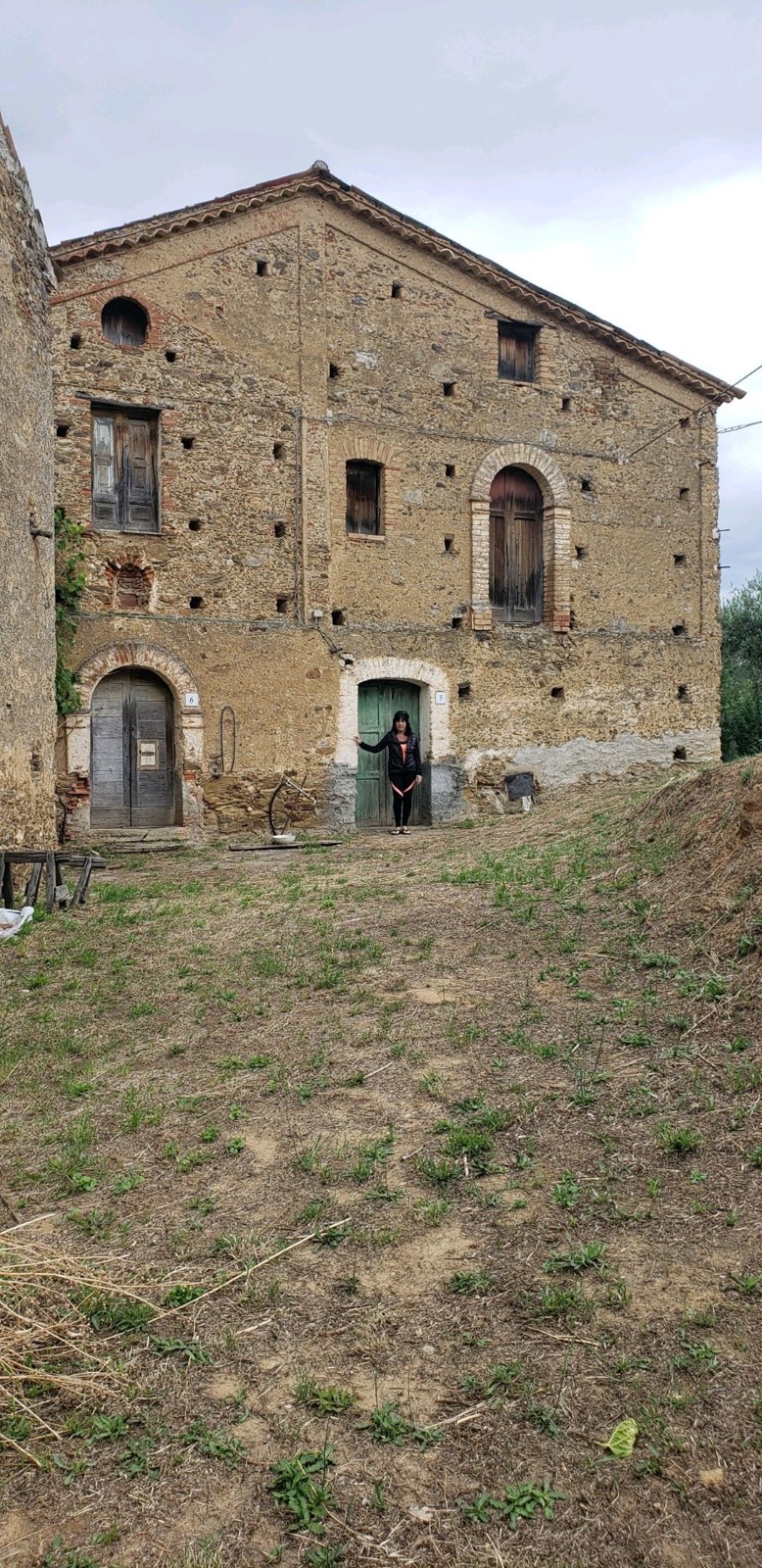
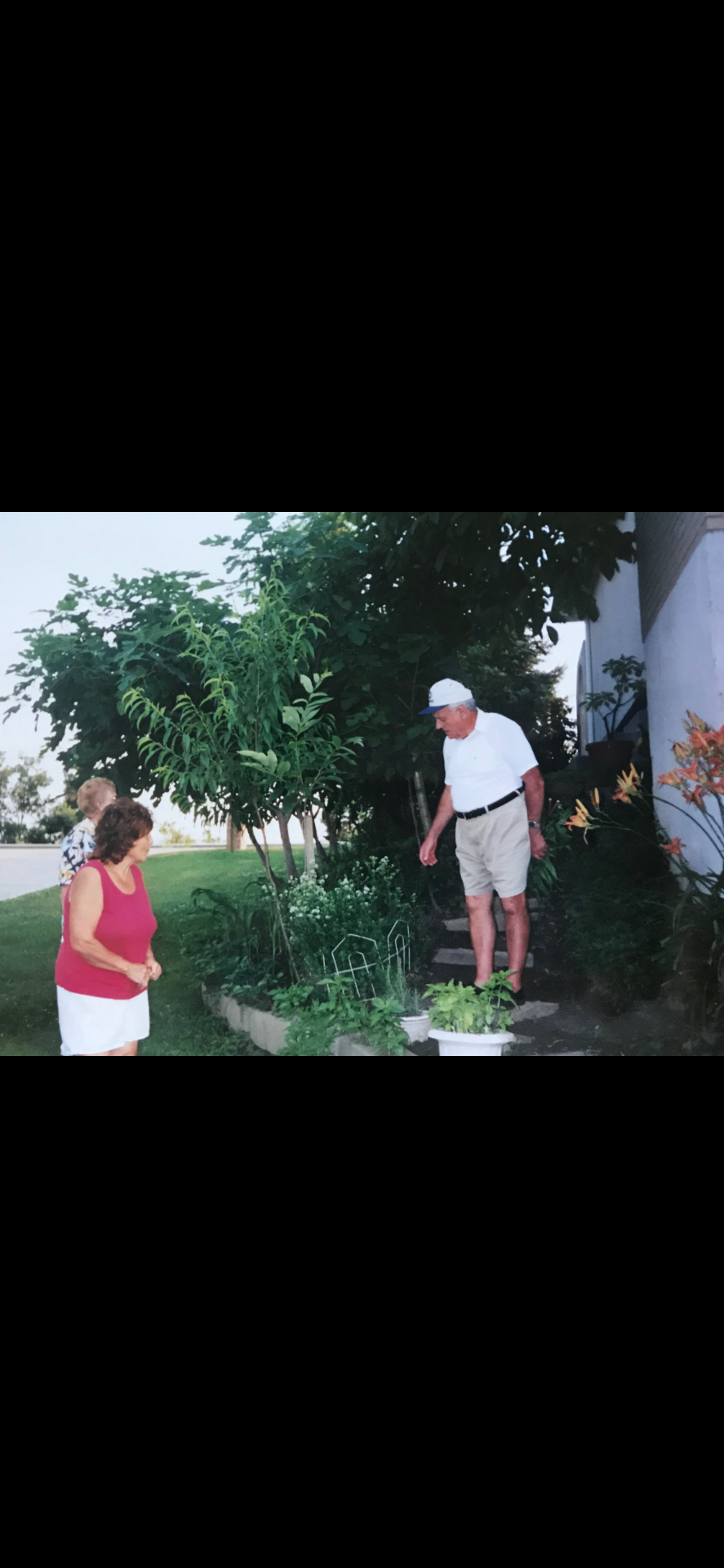
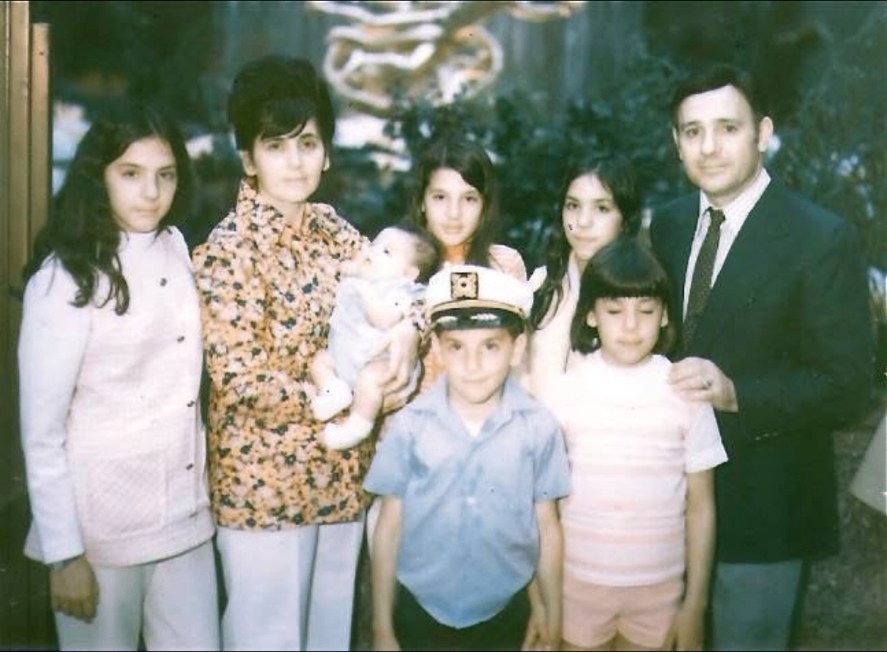
That philosophy can exist alongside abundance, success, and a full family table. My grandparents, Ro and Ti, lived it that way. They were born in Castiglione Cosentino, in the hills north of Cosenza, and raised six children across a working life that moved from Italy to Georgia. They were not poor — they were rich in life, in memory, and in the practical competence of running a household where food was made by hand.
What travelled with them was not a fixed regional menu. It was the method: keep what keeps, buy what you cannot make, and let time do the work that money would otherwise do. Ti cooked from memory rather than from written recipes. Ro carried the same kind of judgment into the things that take months instead of minutes — curing meat, making wine — where the only real instrument is experience.
You can see the logic in the dishes themselves. Pasta e ceci is chickpeas, a little pasta, rosemary, and a pot of water, thickened by crushing a spoonful of the beans against the side of the pan. Pasta ca muddica replaces cheese with breadcrumbs toasted in olive oil, because stale bread was always there and cheese was not always. Licurdia is onions and potatoes cooked long and served over bread. Patate ’mpacchiuse is potatoes, oil, and patience.
None of these are austerity food. They are dishes built on the two things that were reliably available — good olive oil and time — and they only taste of poverty if you rush them.
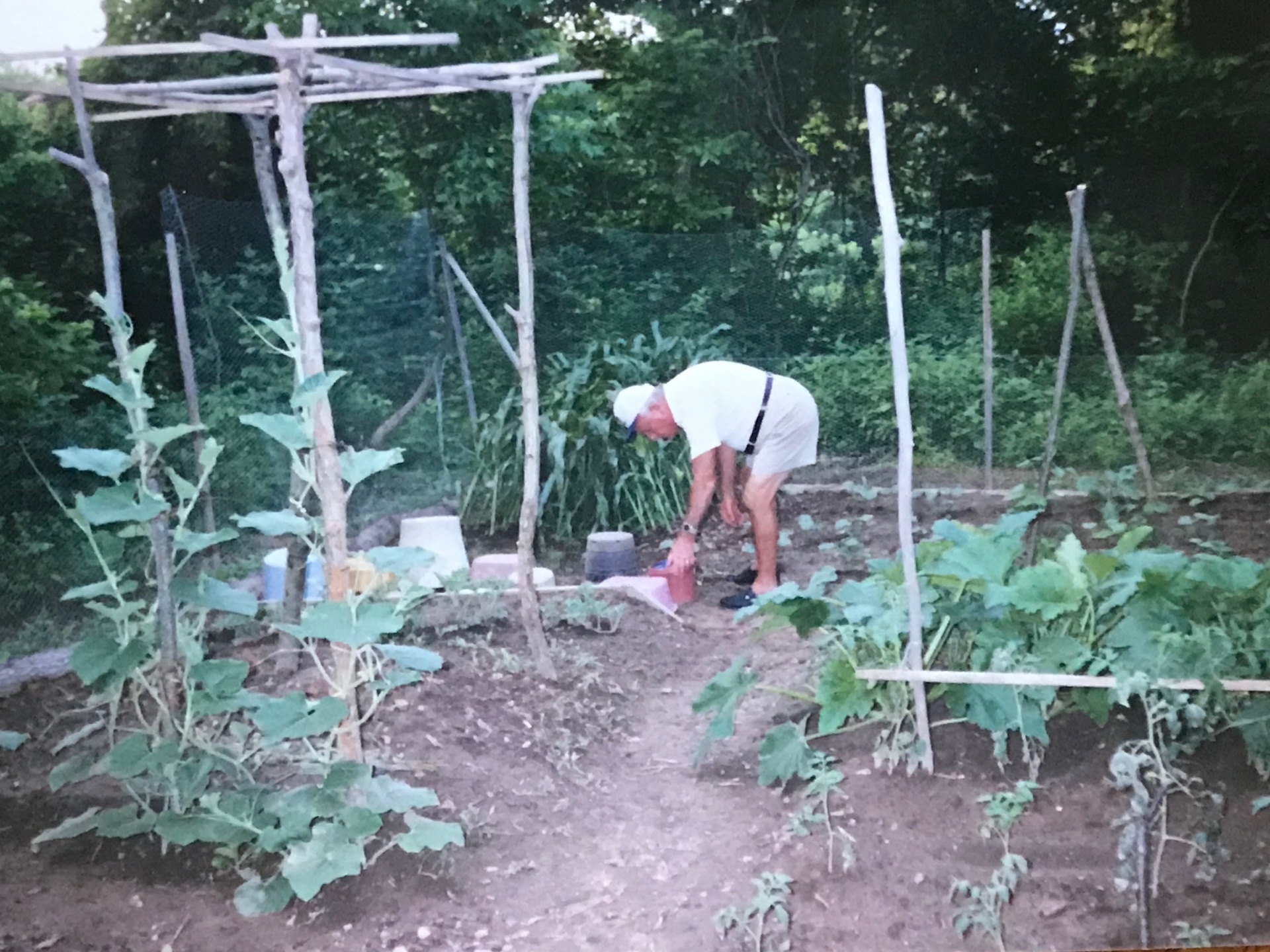
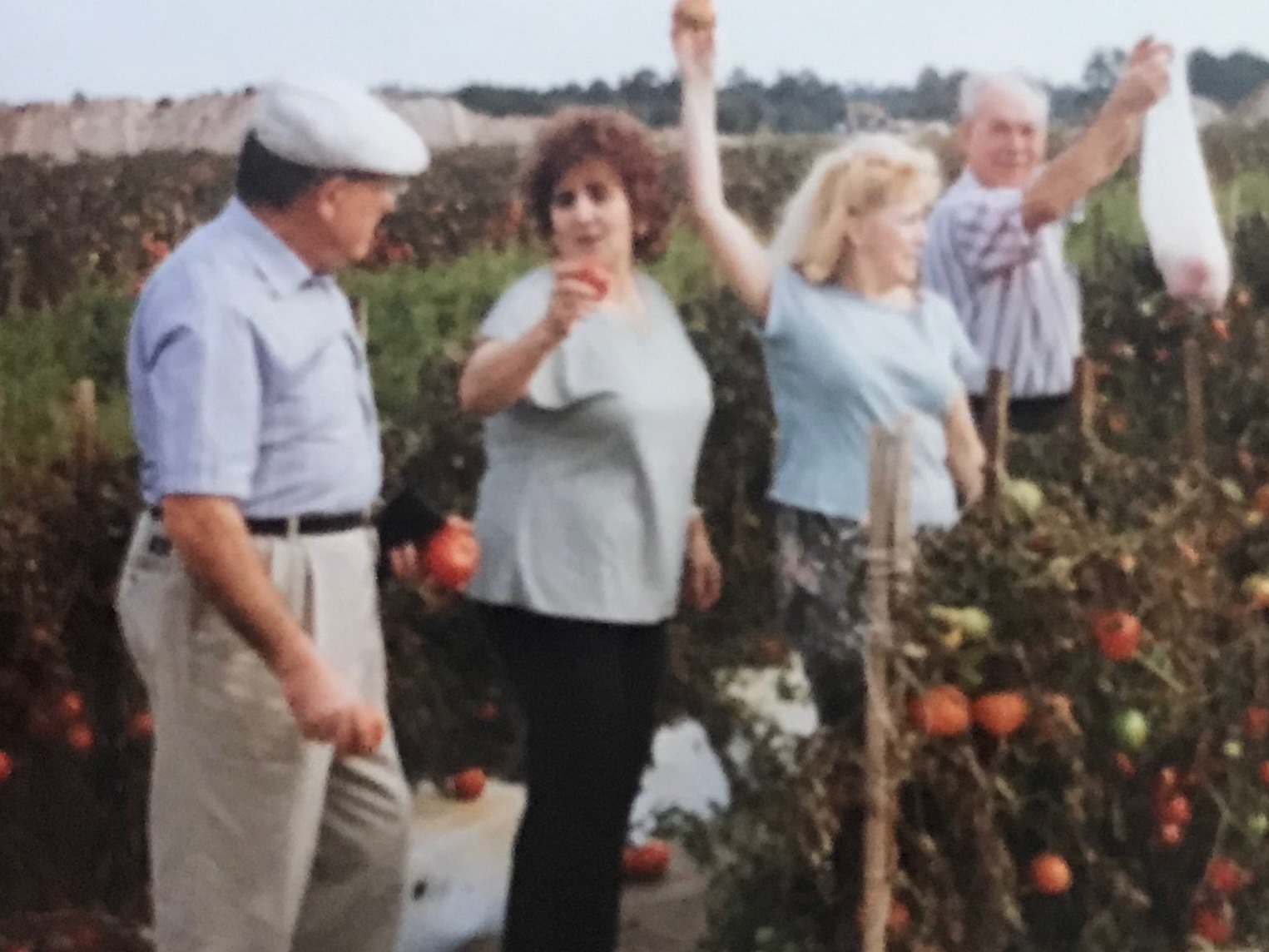
The garden was the other half of the system. Tomatoes were picked in volume in one hot stretch and turned into passata that carried the rest of the year. Peppers were dried. Herbs were grown rather than bought. It is seasonal cooking in the original sense: not a menu choice, but the direct consequence of when things were ready.
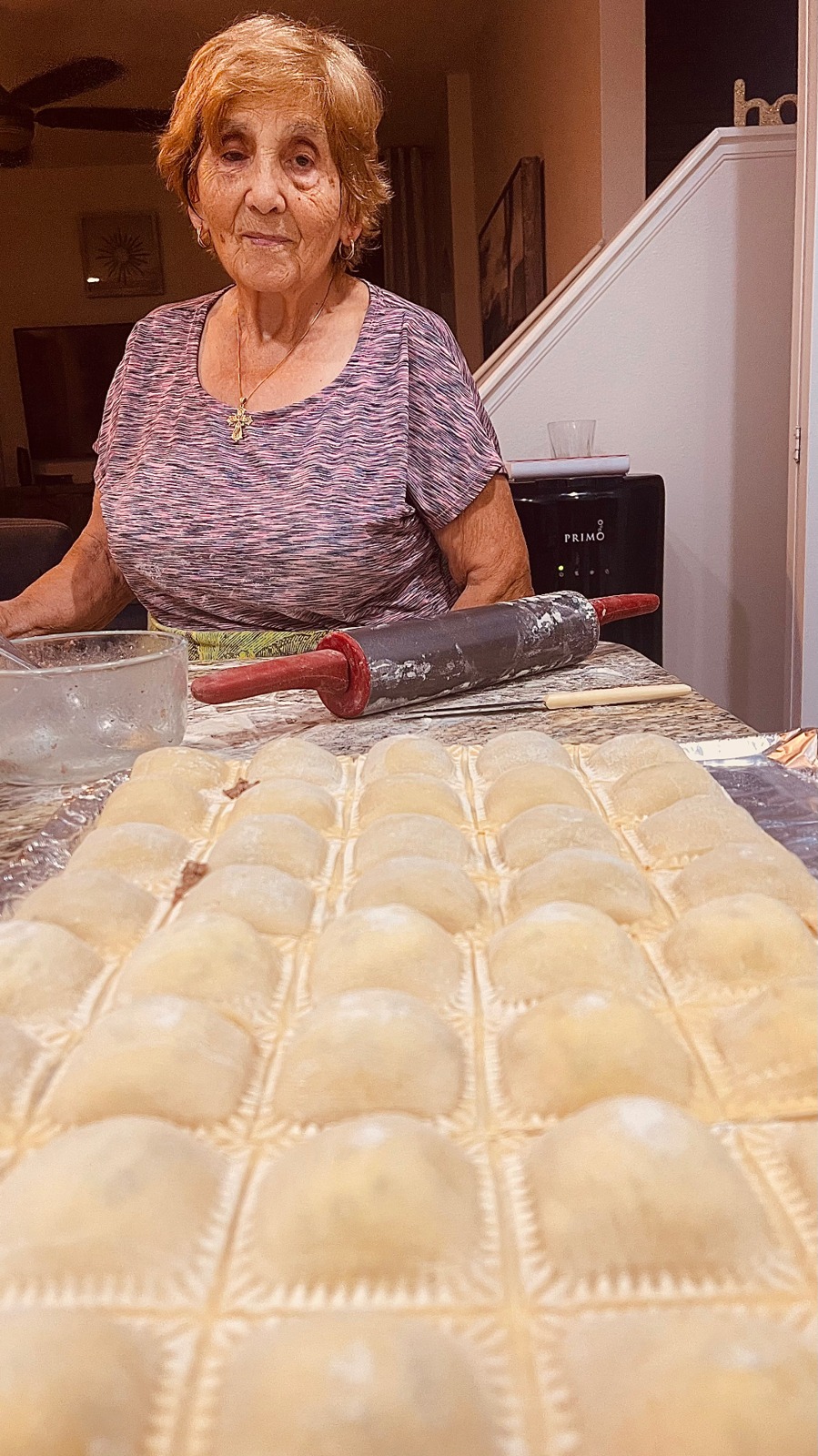
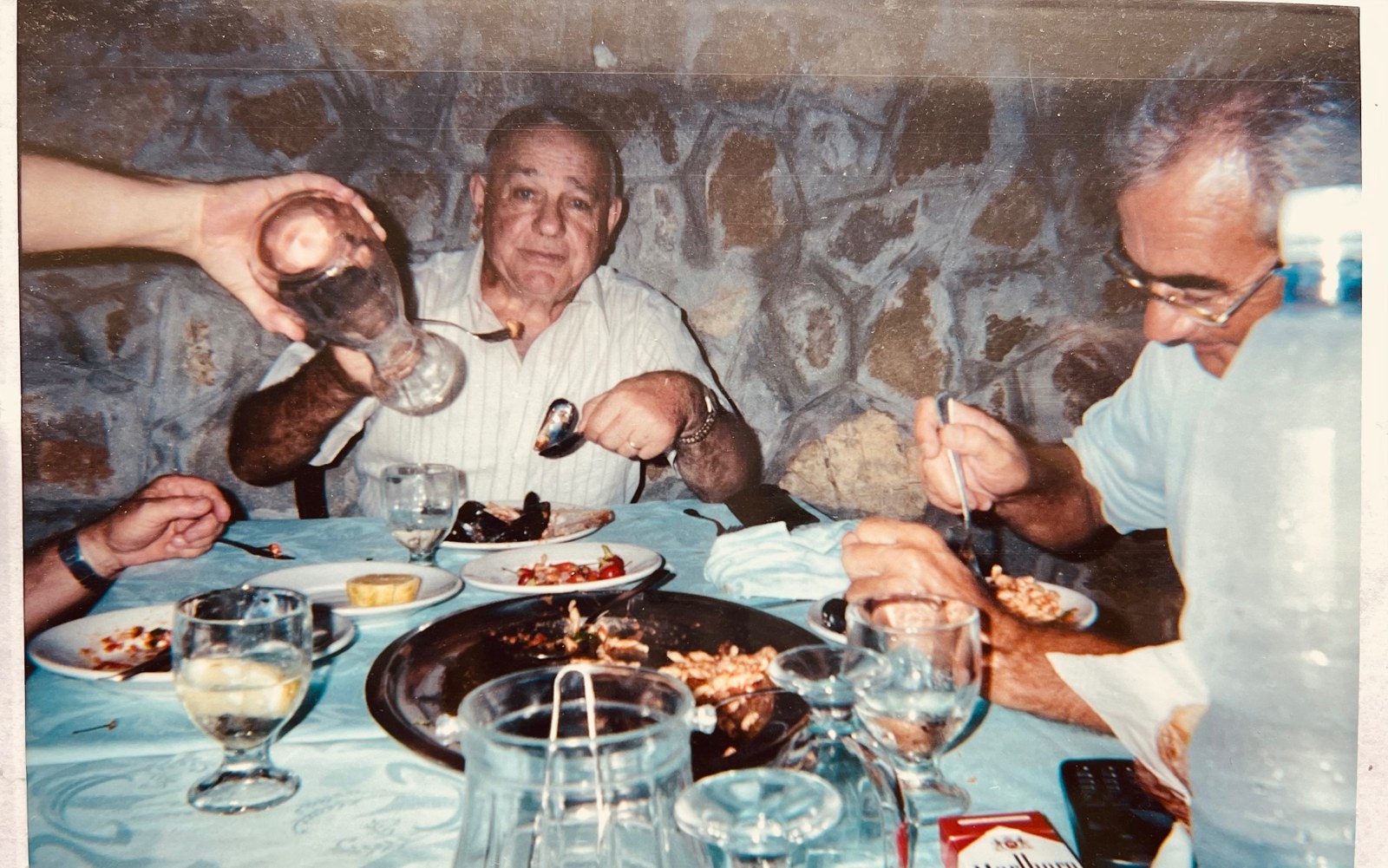
The table is where the whole thing made sense. Food made this way is generous by design — a pot of pasta e ceci stretches, ravioli get made in rows that fill a table, and a jar of preserved anything is made to be opened in front of people. Cooking that begins in thrift ends, almost always, in feeding a crowd.
Most of what made this possible has quietly become specialist knowledge. Curing, canning, wine, working dough by feel — these were ordinary household skills and are now hobbies, courses, or things people assume are beyond them. That is the part worth carrying forward: not a nostalgia for going without, but the practical competence that came with it.
So when a recipe on this site is labelled cucina povera, take it to mean this: practical cooking, respect for ingredients, and traditions worth carrying forward. That is a good reason to cook it now.