Regional Recipe
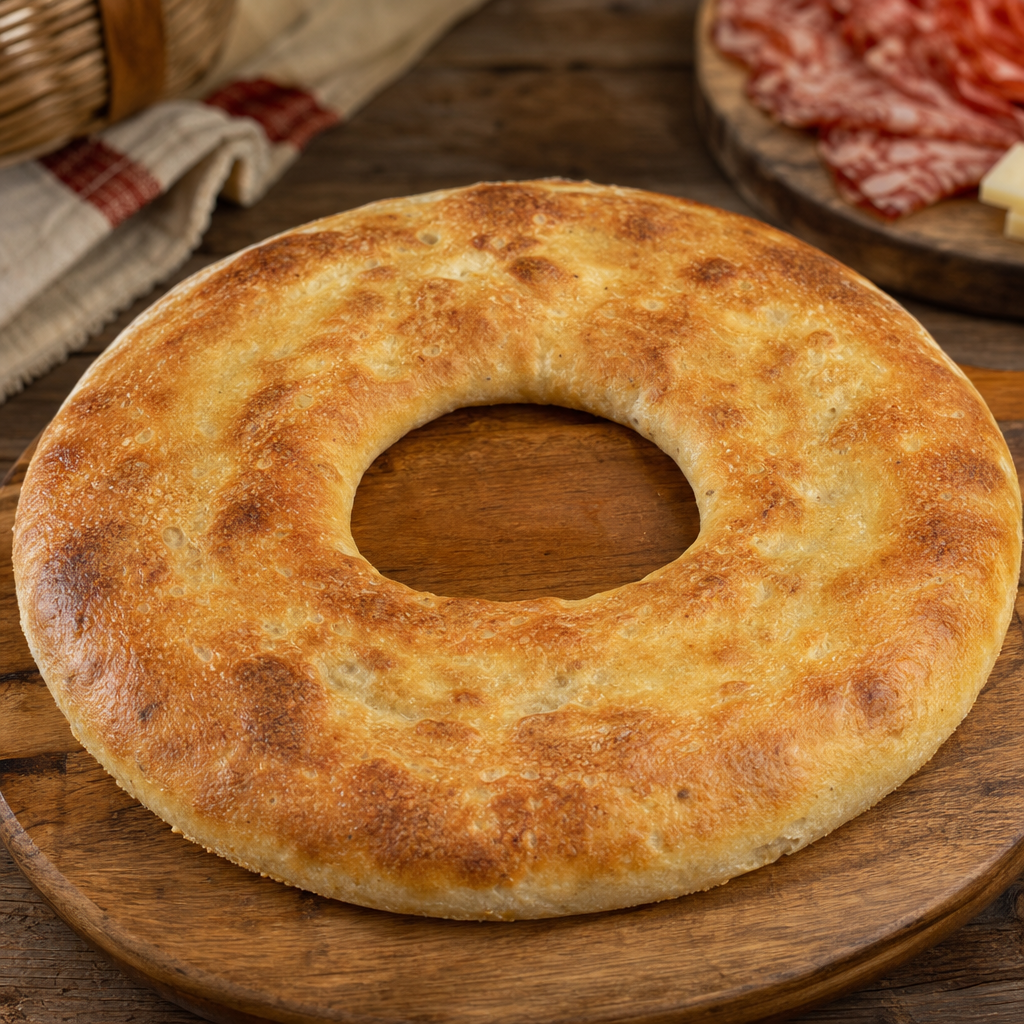
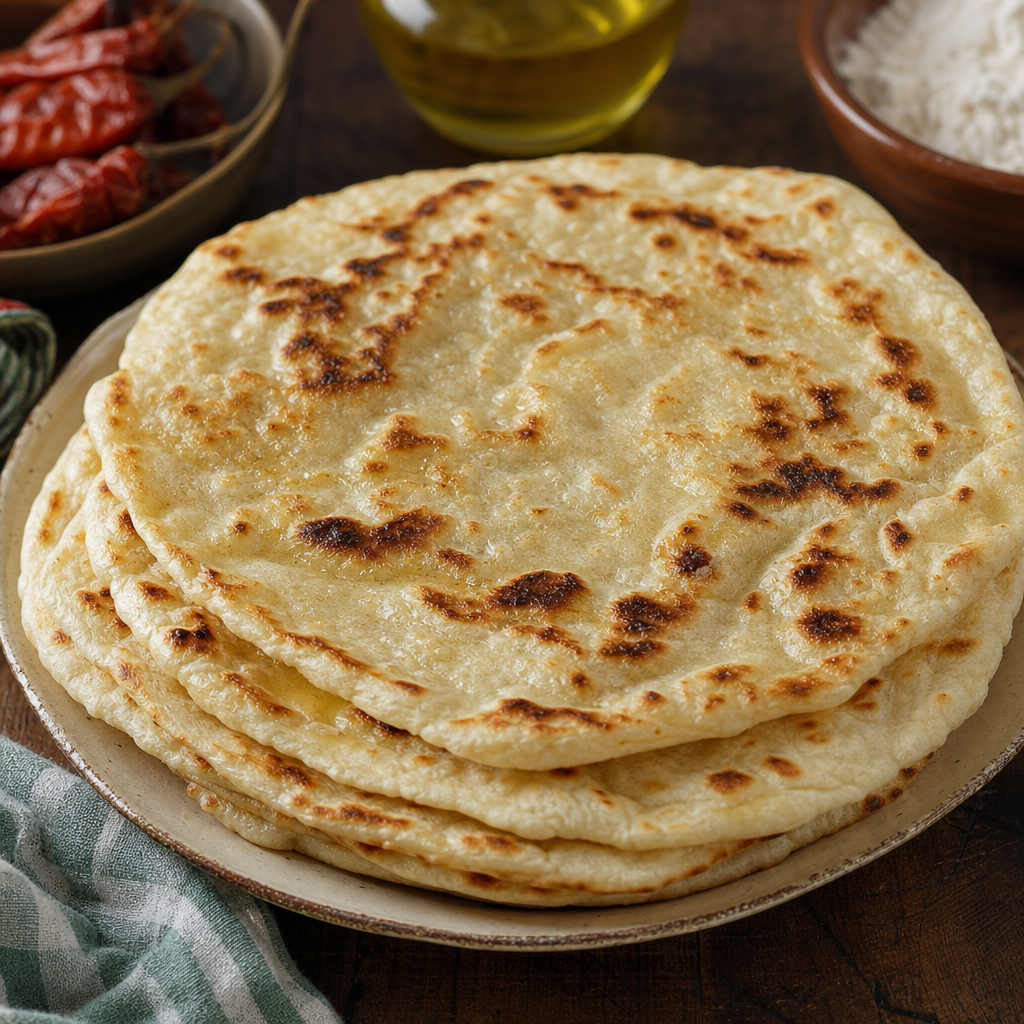
Lestopitta
Unleavened Calabrian flatbread cooked in a pan
This is a no-yeast flatbread: flour, water, oil and salt mixed and cooked straight away on a hot greased pan.
Tested and written by Erika A. Cochran
Saved recipes live in the bookmark icon at the top of the page, on this device.
Prep
15 minutes
Cook
15 minutes
Serves
8 flatbreads
Difficulty
Easy
Region
Bova, Reggio Calabria
What you’ll need
Ingredients
Written for 8 flatbreads.
Showing quantities at 1× the original recipe.
- 3¼ cups flour
- ⅞ cup warm water
- 3 tbsp extra-virgin olive oil
- 1⅓ tsp fine sea salt
- Olive oil, for the pan
At the stove
Instructions
Work the flour, water, oil and salt into a simple dough and knead briefly until it comes together.
Do not let it rise — lestopitta means fast pitta.
Divide into eight pieces and roll each one thin.
Heat a heavy pan or griddle and grease it lightly.
Cook each flatbread for 1–2 minutes a side until it puffs and takes dark spots.
Stack under a cloth as they come off the heat and eat warm.
Recipe notes
The result is closer to piadina than to a risen loaf.
The source gives no prescribed piece count or weight; eight is a practical home batch.
Provenance confidence: moderate. Bova's Greek-speaking heritage has prompted a suggestion of a Hellenic rather than Roman-Italic pitta origin, but that connection is offered as a suggestion, not proof.
Context
Bova, a Greekic-language town in the Metropolitan City of Reggio Calabria, is the locality associated with lestopitta. Its dough is strikingly spare — flour, water, extra-virgin olive oil and salt, with no yeast — and it is cooked on a greased pan rather than in a bread oven. No communal-oven or scarcity claim is attached to it in the record.
Sources: La Cucina Italiana — Discovering pitta calabrese: (opens in a new tab)
Keep cooking